


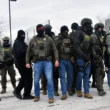



A federal judge has ruled that a new briefing is necessary regarding claims that the Department of Homeland Security (DHS) is using armed raids to coerce Minnesota into abandoning its sanctuary policies. While the operations will continue for now, the judge has instructed the government to respond to allegations that the surge is intended to punish the state for its laws protecting immigrants.
Judge Kate Menendez ordered the DHS to address claims that their tactics, including armed raids and street arrests, are designed to pressure state and local authorities into compliance with federal immigration enforcement, by sharing sensitive data and reallocating local resources.
The urgency for this briefing comes in light of a January 24 letter from U.S. Attorney General Pam Bondi to Minnesota Governor Tim Walz, where she accuses Minnesota officials of "lawlessness" and demands the repeal of sanctuary policies, among other steps, suggesting that federal operations will persist unless the state complies.
The case, State of Minnesota v. Noem, was initiated by Minnesota Attorney General Keith Ellison, along with the cities of Minneapolis and St. Paul, against high-ranking officials from DHS and ICE. During recent hearings, the lawyers for the plaintiffs asserted that the federal presence represents an overreach that is contributing to a public safety crisis. They cited multiple public safety incidents, including fatal shootings by federal agents, as evidence of the dangers posed by the current operations.
The court’s inquiry centered around whether the scale and nature of federal enforcement could be deemed coercive, especially given reports that the deployment has led to ongoing arrests and excessive resource diversion for local emergency services. Notably, there have been instances where U.S. citizens unwittingly became targets, resulting in casualties.
In recent events, the federal activity has sparked outrage as agents reportedly shot and killed two individuals, including Renee Nicole Good, during operations that had no bearing on their immigration status. This has raised serious concerns about the safety and efficacy of such forceful interventions, leading to calls for urgent restrictions on the federal agency’s ability to detain and control crowds.
Claims have emerged stating that the federal power has resulted in trauma for many community members, leading to fear and hesitation to engage in everyday activities. Several residents have testified about their distressing encounters with armed agents, detailing violent tactics that left them physically harmed and emotionally shaken.
As tensions mount and the legal battle unfolds, many Minnesotans find themselves grappling with the implications of federal operations on their safety and community well-being.
For those following the developments, further details can be found in the ongoing coverage of the case and its ramifications on Minnesota’s immigration policies.


