



Defense attorneys for Roberto Carlos Muñoz-Guatemala, convicted last December of assaulting an ICE officer, are seeking access to investigative files regarding the killing of Renee Good. They recently discovered that ICE agent Jonathan Ross, who shot Good during a targeted operation in Minneapolis, was also the officer involved in Muñoz-Guatemala’s case.
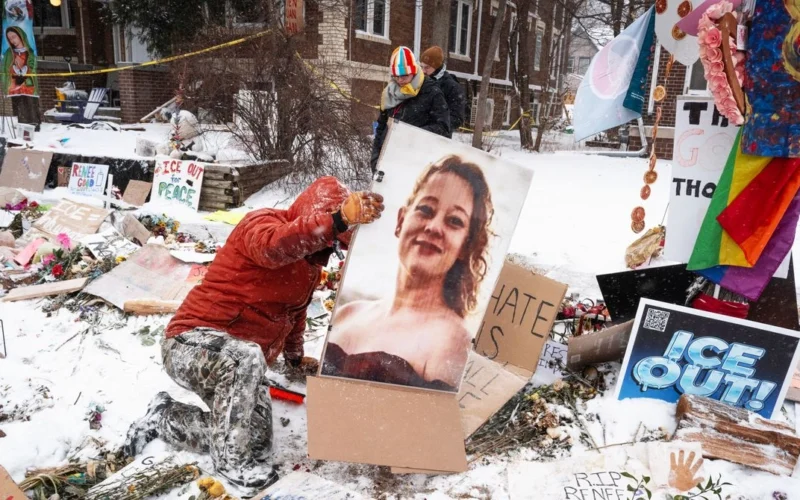
On January 7, during Operation Metro Surge, Ross shot and killed Good, a 37-year-old poet and mother of three. Following the incident, Ross has been placed on administrative leave, a standard protocol after a fatal use of force, but he has not been charged with any crime. The Justice Department indicated that they would not pursue criminal charges against him.
In their motion filed with the US District Court in Minnesota, Muñoz-Guatemala’s attorneys argue for access to Ross’s training records and investigative files to better understand his actions during the shooting. They reason that if it can be shown that Ross was aggressive or acted contrary to his training, this could inform potential mitigating factors affecting Muñoz-Guatemala’s sentence.
Ultimately, Muñoz-Guatemala was convicted of assaulting Ross by dragging him with his car, which occurred when federal agents attempted to apprehend him due to an outstanding immigration warrant. The details of the altercation reveal that Ross broke the vehicle’s window before being dragged as Muñoz-Guatemala fled the scene.
The defense maintains that if they had been tried after Good’s death, their strategy may have included arguing that Muñoz-Guatemala’s resistance was justified, claiming that Ross instigated the encounter. They seek clarity on the jury’s reasoning concerning the conviction and argue that evidence related to Ross could indicate a pattern of reckless behavior that would be relevant for the upcoming legal proceedings.
Prosecutors have yet to respond to the motions, and there is ongoing uncertainty regarding the status of Ross and any potential departmental reviews. The case continues to draw attention to issues surrounding the conduct of federal agents and the legal complexities involved in use-of-force incidents within immigration enforcement operations.