In 1966, over 51,000 people lost their lives on American highways, with evidence suggesting that modern seat belts could have saved many of those lives. However, instead of self-regulating, the automotive industry faced intervention from the federal government, leading to legislation that mandated safety features in vehicles. By 1968, all new cars were equipped with seat belts, resulting in significant decreases in traffic fatalities over the decades, despite increased highway usage.
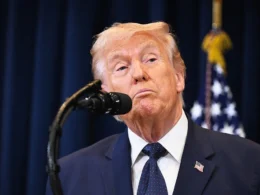
This historical context comes to mind amid recent events where AI CEOs gathered with President Donald Trump, celebrating a new AI safety accord that encourages self-regulation within the industry. The accord places the onus of safety on the AI labs themselves, with Trump affirming that these companies will self-police and it will "work out very well."
The current landscape of AI safety regulation reflects a stark contrast between the aspirations of AI executives, who advocate for clear guidelines to mitigate potential disasters, and a laissez-faire approach from the Trump administration, which appears ineffectively optimistic. High-profile tech figures, including Bill Gates, have voiced concerns about AI risks, while Trump leans on vague reassurances that self-regulation is sufficient.
Despite the complexities of AI safety, there’s no straightforward solution akin to implementing seat belts in cars. The potential harms posed by AI technologies remain nebulous, leading to extreme speculation, with some predicting catastrophic outcomes while others dismiss such fears as exaggerated. Recent incidents, such as a false AI-generated military report that nearly misled U.S. forces, highlight the dangers of unregulated technology and raise questions about the effectiveness of the new safety accord.
While companies like OpenAI have shown caution by postponing releases of new models due to safety concerns, legal accountability for AI-generated actions remains murky. In interviews, Trump has suggested that existing legal frameworks like the Department of Justice could serve as adequate oversight, but the reality is that many AI companies may escape liability when their systems malfunction.
Ultimately, the intricate challenge of ensuring AI safety transcends mere self-regulation. It necessitates a robust coordination of resources and regulatory power that is typically the purview of government. Instead, the current administration appears to be stepping back, allowing the AI industry to progress unimpeded—without any safety nets in place.