




Sunderfolk is a tabletop-inspired tactical RPG that shines brightest when played with friends, transforming a potentially dull weekend into a memorable adventure. While the game struggles to capture attention when played solo, it thrives on teamwork, strategic collaboration, and shared experiences.
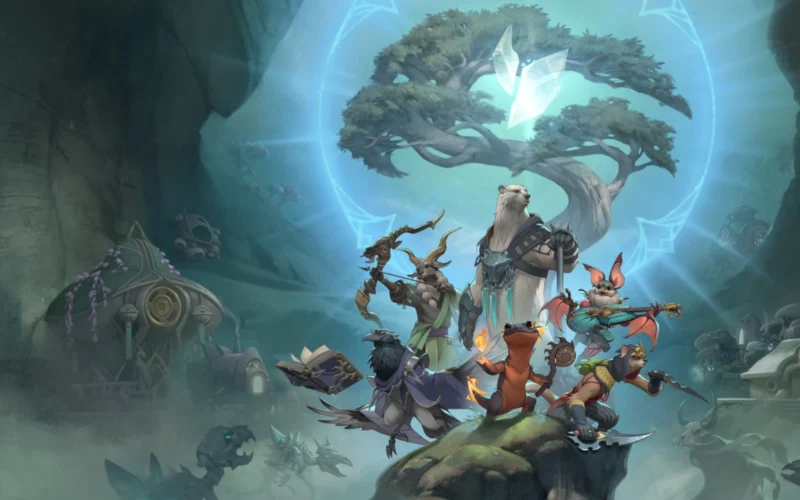
In Sunderfolk, players embody one of six unique anthropomorphic heroes—each with their own capabilities—who unite to save their home village, Arden, from threats that grow increasingly dire. Players can select from characters like an arcanist crow, a pyromancer axolotl, a ranger goat, a bard bat, a berserker polar bear, or a rogue weasel. Following their initial trial as bouncers in a tavern, these heroes band together to combat the corruption of a magical tree that protects their village.
Initially, Sunderfolk’s narrative doesn’t differ much from typical fantasy tales. However, it quickly gains depth through its cast of NPCs, all voiced by Anjali Bhimani, who brings vitality to the game with her varied vocal delivery. This performance anchors the characters and enhances the storyline, especially when players encounter relatable figures, such as Amaia, a charming one-armed penguin orphan striving to manage Arden’s mines. The emotional stakes rise when players interact with her cruel uncle, driving them to rally together to protect her.
Sunderfolk operates through a free app that players download to their phones or tablets, displaying the game on a monitor or TV. During missions, players utilize cards representing their character’s abilities, engaging in combat and strategy with their friends. The focus on teamwork significantly contributes to the game’s enjoyment, encouraging players to discuss strategies and coordinate their moves. Each hero’s card offers unique tactical options, fostering collaborative gameplay as players devise optimal strategies to tackle various objectives like defeating foes or protecting allies.
The game features a rapid leveling system, rewarding players with new cards and abilities, which fuels excitement and strategic experimentation during missions. Players work in tandem to enhance each other’s strengths while taking on increasingly complex challenges. The game contextualizes victories through shared experiences rather than a compelling overarching narrative.
Off-mission, players return to Arden, the hub area where they can engage with NPCs, buy items, or upgrade their heroes. Choice-driven dialogues grant players agency, shaping their interactions with the village and impacting their standing with various characters. This personalization adds a layer of engagement, though it often lacks the depth of in-game storytelling due to the nature of text-based communication.
Missions are concise, typically concluding in under half an hour, making Sunderfolk easy to pick up and play. Despite its accessible design, some critiques arise regarding the game’s simplicity and lack of story innovation, as it stays clear of bold narrative choices. However, it stands out in its ability to let players input personal touches, allowing them to name buildings or items, thus fostering a sense of ownership over their adventure.
Ultimately, Sunderfolk’s charm lies in its cooperative gameplay, where unforgettable experiences emerge from interactions among friends rather than the plot itself. While solo play diminishes its appeal, the game’s design effectively simulates the excitement and camaraderie of tabletop RPGs, making it a noteworthy choice for social gaming sessions.