

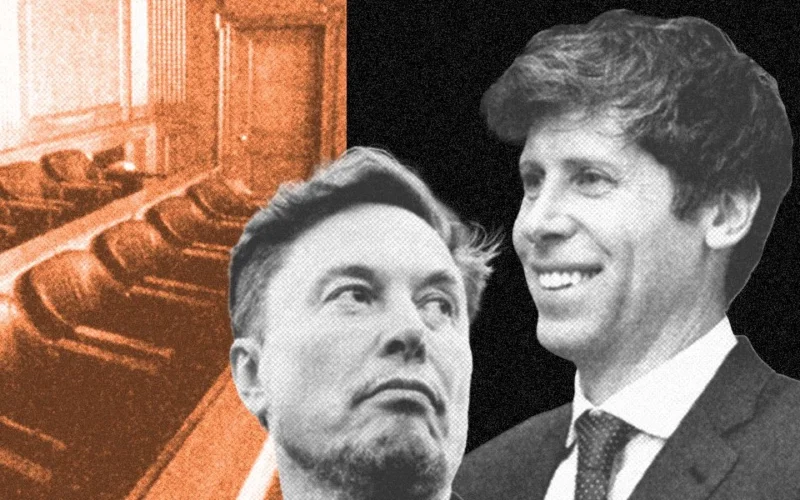
A jury has been assembled for the trial of Musk v. Altman in federal court in Oakland, California. During the selection process, some jurors expressed their negative views on Elon Musk and concerns regarding AI technology, though they assured the court they could remain impartial. This case centers around a lawsuit from Musk against OpenAI, specifically targeting its transition under CEO Sam Altman.
On the first day of the trial, OpenAI’s Altman and president Greg Brockman attended, while Musk was notably absent. Journalism interest was high, with many reporters present to follow the court proceedings through an audio stream.
Judge Yvonne Gonzalez Rogers faced the challenge of selecting nine unbiased jurors, a task made difficult by the notoriety of the parties involved. While many potential jurors admitted to having negative opinions about Musk, they were not automatically dismissed unless their biases were strongly pronounced—only one juror was excused due to such opinions.
Gonzalez Rogers acknowledged the reality of Musk’s public perception, stating that those with negative feelings could still deliver a fair judgment. The jury’s responsibility is to establish whether Altman and the other defendants diverted OpenAI’s nonprofit mission, potentially breaking the law in the process. However, their verdict will be only advisory, with the judge making the final decision.
The selected jurors come from diverse backgrounds, including a painter, a psychiatrist, and a former Lockheed Martin employee, with some expressing skepticism about AI technology as a whole. Ultimately, all jurors affirmed their commitment to focusing solely on the facts of the case.
Following the jury selection, OpenAI’s attorney, William Savitt, expressed confidence in the chosen jury, emphasizing their readiness to present a case that aligns with the facts and documentation related to the lawsuit. Musk, on the other hand, appears to be engaging the public as part of his strategy, promoting a recent New Yorker article that examined Altman’s alleged deceptive business practices on social media just as the trial commenced.
As this legal battle unfolds, the landscape of AI development remains turbulent, highlighted by protests outside the courtroom calling for pauses in AI advancements.
Tomorrow, both sides will deliver their opening statements, marking the start of witness testimonies in what promises to be a high-profile case.