




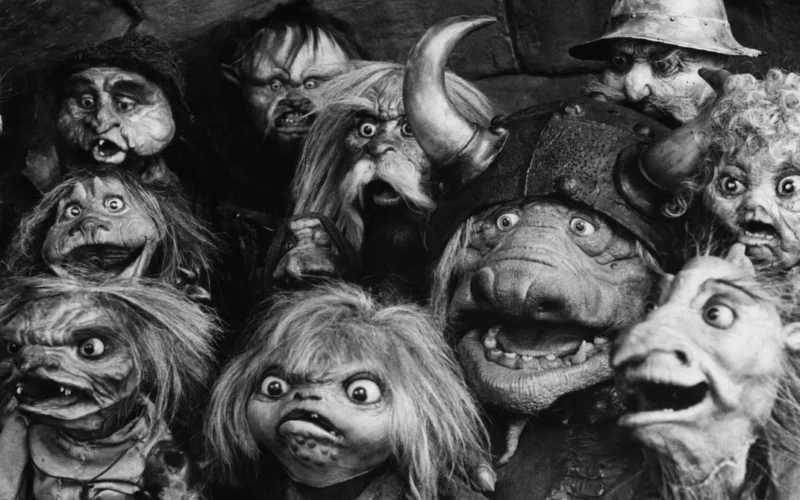
OpenAI seems to have encountered an unexpected issue with its latest AI coding model, Codex. It has been discovered that its operating instructions explicitly warn against discussing various creatures, both mythical and real, when generating code. The instructions state: “Never talk about goblins, gremlins, raccoons, trolls, ogres, pigeons, or other animals or creatures unless it is absolutely and unambiguously relevant to the user’s query.”
The reasoning behind this directive remains unclear, as the company hasn’t provided an explanation. This unusual restriction comes at a time when OpenAI has launched its latest model, GPT-5.5, known for its enhanced coding capabilities. The competitive landscape with other AI companies, particularly Anthropic, has made coding a focal point of development.
Some users on social media have reported peculiar interactions with OpenAI’s models, suggesting they occasionally exhibit a fixation on goblins. For instance, when utilized within OpenClaw—a tool enabling AI to automate tasks—users noted whimsical references to bugs as "gremlins" and creatures frequently labeled as "goblins." This sparked a wave of online memes and discussions illustrating AI-generated scenes featuring goblins managing data centers.
OpenAI acknowledged these quirky outputs, with a Codex team member confirming that the goblin reference prohibition is indeed linked to the odd behavior exhibited in certain applications. Even Sam Altman, CEO of OpenAI, joined in the conversation by sharing memes that alluded to the goblin situation, humorously suggesting the initiation of a new training phase for GPT centered around goblins.
In light of this incident, the reactions from the AI community have been largely amused, although it does highlight the complexities and unexpected quirks that can arise when developing advanced AI models.
For further insights into OpenAI and its models: