



Three months ago, OpenAI co-founder Greg Brockman expressed his worries about the growing public relations crisis surrounding artificial intelligence (AI) companies. Despite the widespread popularity of tools like ChatGPT, public sentiment has turned negative. The backlash has escalated, with college commencement speakers facing boos for discussing AI positively and recent violent incidents, such as a Molotov cocktail attack on OpenAI CEO Sam Altman’s home, underscoring the severity of the situation. OpenAI is significantly impacted by this reputation crisis, which raises concerns about its future in the AI industry.
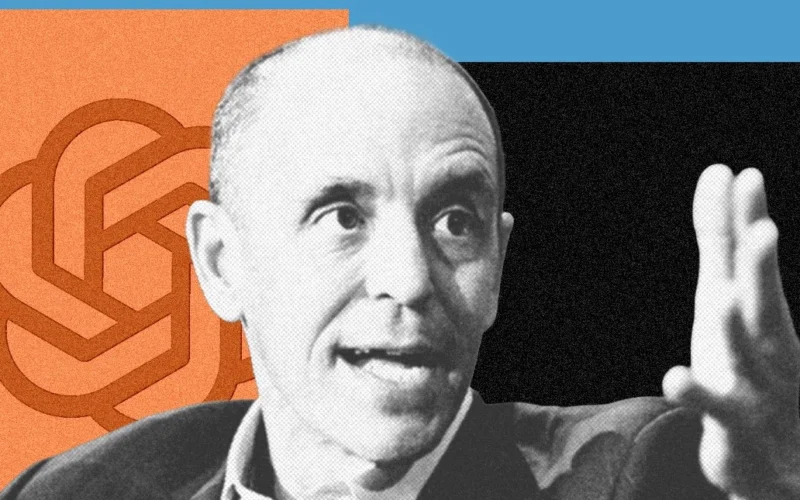
Chris Lehane, OpenAI’s chief of global affairs and an experienced political strategist, is now responsible for addressing these challenges. In a recent interview, he outlined his dual goals: to encourage worldwide acceptance of OpenAI’s technology while persuading lawmakers to establish regulations that will not hinder the company’s growth. Lehane believes these objectives are interconnected.
Drawing on his experience in crisis communications during Bill Clinton’s presidency, Lehane, whom some nicknamed the "master of disaster," has navigated similar hurdles before. He has successfully managed political challenges for various organizations, including Airbnb and Fairshake, a super PAC that sought to legitimize the crypto industry in Washington. Since joining OpenAI in 2024, he has become a key figure overseeing its communications and policy initiatives.
Lehane critiques the simplistic and polarized narratives surrounding AI’s societal impact, which range from utopian visions of a leisure-based society to dystopian fears of an elite-controlled technology. OpenAI has been accused of contributing to this discourse, especially as Altman has vacillated between dire predictions about job loss due to AI and a more tempered perspective on the implications of AI advancements.
To remedy the narrative, Lehane aims for OpenAI to adopt a more balanced approach that acknowledges the potential challenges of AI while offering tangible solutions. He highlighted a list of policy proposals recently published by OpenAI, which include suggestions like implementing a four-day workweek and expanding healthcare access. He emphasizes that acknowledging challenges entails a responsibility to propose solutions.
However, some former OpenAI employees argue that the company has downplayed the risks associated with AI adoption, suggesting that its communication strategy has shifted towards advocacy rather than addressing legitimate concerns about economic impacts. This has led to internal conflicts within the organization.
As skepticism toward AI escalates, political pressures mount for lawmakers to regulate tech companies. In response, the AI industry has mobilized super PACs to support candidates sympathetic to pro-AI policies. Critics contend that such efforts have backfired, with some candidates leveraging opposition to AI super PACs in their campaigns.
Lehane has been instrumental in establishing one of the most significant pro-AI super PACs, Leading the Future, which has garnered over $100 million in funding from tech industry leaders. The group has faced pushback, especially from figures championing strong AI safety laws.
Additionally, OpenAI is pursuing advocacy strategies through “reverse federalism,” pushing states to enact concurrent AI regulations to avoid a fragmented legislative landscape. This campaign includes support for controversial liability legislation in Illinois which would allow AI labs to evade certain liabilities. Following public outcry, OpenAI clarified its position, indicating it did not support all provisions of the bill.
Recent legislative efforts include backing a new bill in Illinois requiring third-party audits for AI safety practices, which has drawn broad support, including from OpenAI’s main competitor, Anthropic.
Lehane’s leadership is crucial for OpenAI as it navigates the complexities of reputation management and regulatory frameworks in an increasingly skeptical environment regarding artificial intelligence.