



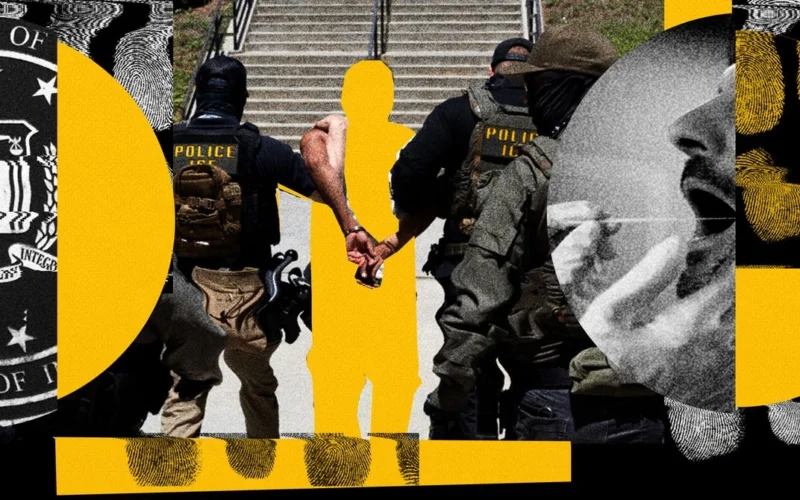
On March 13, 2025, Hugo Moreno-Mendez went to the McLennan County Probation Department in Waco, Texas, for a routine check-in, but was instead arrested by Immigration and Customs Enforcement (ICE) officers. After being taken to an ICE field office, Moreno-Mendez faced repeated demands to provide a DNA sample by officers who insisted he open his mouth for a cheek swab. Each time he refused, which eventually led to charges against him for failing to register as a noncitizen and for refusing to provide DNA—a misdemeanor that had not been prosecuted before.
Moreno-Mendez’s situation highlights a disturbing trend in DNA collection practices by ICE. New research from Georgetown Law suggests that ICE, during its second term under the Trump administration, has drastically increased DNA collection from individuals detained for civil immigration violations. In 2025 alone, the Department of Homeland Security is estimated to have added around 920,000 genetic profiles to the FBI’s Combined DNA Index System (CODIS), which is primarily intended for criminal investigations. The majority of these individuals have never been convicted of a crime, as residing undocumented in the U.S. is typically a civil violation, not a criminal one.
Once DNA samples enter CODIS, they can be matched against evidence from unsolved crimes, raising privacy concerns about the long-term retention of this sensitive data, particularly since these samples include comprehensive genetic information. Congressional representatives have expressed alarm over DNA collection from families and children in ICE detention facilities, citing that such practices are inappropriate for individuals who have not been convicted of any crime.
ICE has defended its DNA collection efforts as measures of border security and identification, with a spokesperson indicating that they collect samples from noncitizens detained on federal charges. However, concerns have been raised about the collection of DNA from children, with reports indicating that samples were taken from children as young as 4 years old without proper explanation of their purpose.
The rise in DNA collection underscores changes in federal regulations. In 2020, the Department of Justice eliminated prior exemptions that had allowed DHS to avoid collecting samples from many individuals in immigration custody. This change has opened the door for broader DNA collection, moving from minimal participation by ICE to it potentially becoming a major contributor to the national DNA database.
Internal ICE training materials from 2021 revealed a broad interpretation of who should provide DNA samples, including asylum seekers and refugees, significantly expanding the scope of the collection efforts. The materials also outlined consequences for refusing a DNA request, indicating that individuals could be prosecuted for such refusals.
As the collection of DNA from immigration detainees escalates, many individuals and families are left confused and anxious about why their samples are taken and what happened to that data. Ongoing scrutiny and legal challenges continue to emerge regarding the implications of these practices for personal privacy and civil rights. The exact extent of these collections remains opaque, and questions regarding oversight and accountability persist.