





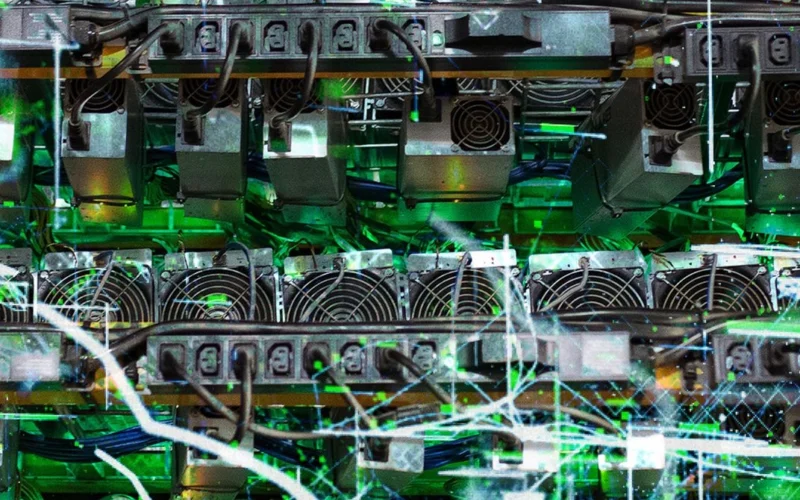
In June 2024, at a large industrial site near Corsicana, Texas, I observed construction activities for what was set to be the largest bitcoin mine in the world, owned by Riot Platforms. Fast forward to now, and two-thirds of that facility is being repurposed for artificial intelligence (AI) and high-performance computing (HPC) tasks, signaling a transformative shift away from bitcoin mining.
Across the United States, many bitcoin mining companies are following suit. Within the last 18 months, at least eight publicly traded firms, including Bitfarms and Core Scientific, have plans to pivot to AI, reflecting a broader trend driven by the burgeoning demand for data centers capable of supporting energy-intensive AI workloads. The irony here is that those bitcoin miners, who initially invested heavily in data center infrastructure, are now being pushed to reinvent themselves in the AI space.
Meltem Demirors, a partner at Crucible Capital, notes that bitcoin mining laid the groundwork for the current AI computing boom, with former miners now able to attract lower capital costs through their new focus on AI. The shift to AI means repurposing existing mining machines for GPU tasks, which are more lucrative.
The situation creates a perfect storm for bitcoin mining. Miners face an increasingly competitive landscape, leading to diminished profitability. Advances in mining hardware have dramatically increased competition, necessitating greater computational power, while the reward for mining has been halved, further squeezing profit margins. With the price of bitcoin dipping by 30% from its peak earlier this year, many operations struggle to stay viable.
By November, reports indicated that most major mining companies could only remain profitable at the current bitcoin price through efficiency, as fewer than anticipated meet required returns. Conversely, the AI sector has shown promising margins with stable revenues tied to long-term contracts, amounting to over $43 billion in AI and HPC agreements recently reported.
However, some companies remain committed to traditional bitcoin mining, including American Bitcoin, which has not invested in infrastructure like its counterparts. The firm is mining bitcoin at lower costs due to favorable operational practices.
Challenges arise for those trying to transition from bitcoin mining to accommodate AI clients, who demand high reliability for their operations. While some miners have formed lucrative partnerships with tech giants like Amazon and Microsoft, concerns remain regarding whether existing infrastructure can adequately support these more demanding needs.
Despite some companies resisting the shift, market trends suggest sustained pressure from stakeholders to embrace AI models for higher shareholder value. Industry experts highlight the risk of declining bitcoin mining activity, which may jeopardize the network’s security. A mass exodus from mining could create vulnerabilities, such as the possibility of a 51 percent attack—a takeover of the network’s computing power.
There’s speculation that mining may consolidate in regions with the most inexpensive energy resources, while others believe it may become a controlled endeavor led by state actors who prioritize the stability of their bitcoin reserves. The ongoing evolution within the crypto and AI landscapes indicates that various factors will continue shaping the future of bitcoin mining.


