




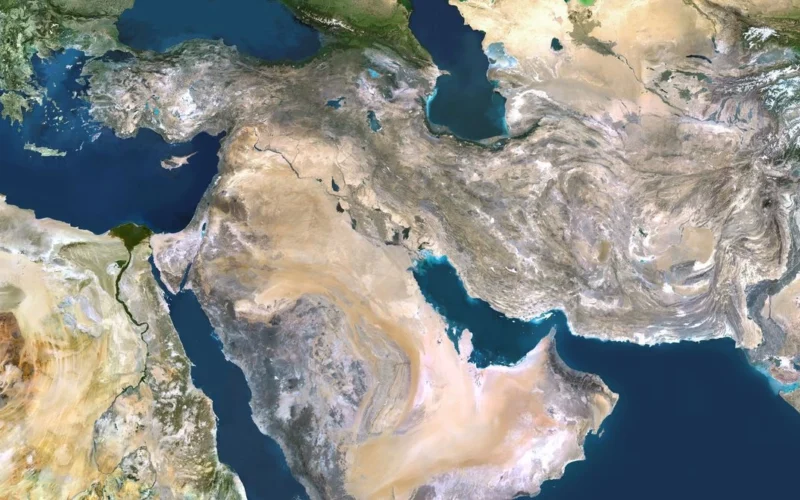
As the conflict in the Middle East escalates, numerous countries in the region are experiencing direct impacts from ongoing air strikes. On February 28, a coalition of United States and Israeli forces initiated a series of strikes against Iran, marking the beginning of significant turmoil in the region. The U.S. Secretary of Defense, Pete Hegseth, indicated that military operations could extend for up to eight weeks, with President Donald Trump suggesting a timeframe of four to five weeks, while emphasizing preparedness for a prolonged campaign if necessary.
In retaliation, Iran has launched attacks targeting Israel, various U.S. embassies, military bases, and other strategic sites across the Middle East, deploying hundreds of drone and ballistic missile strikes. Although many of these attacks have been intercepted, civilian casualties have occurred and infrastructures—including luxury hotels in Dubai, U.S. military bases, and international airports—have sustained considerable damage. Additionally, Israel responded with bombings in Lebanon following attacks from Hezbollah.
The justifications from the Trump administration for these military actions have varied, citing potential nuclear threats and unverified claims of Iranian interference in U.S. presidential elections. Importantly, as of March 5, Congress has yet to declare war, despite the ongoing military engagement.
The strikes have disrupted supply chains across vital sectors such as oil and gas, especially with key infrastructure being targeted or shut down. Shipping activities have ceased along the critical Strait of Hormuz, heightening concerns about regional stability.
Countries Affected by the Conflict
Iran: Reports indicate that over 1,000 Iranian casualties have occurred as strikes have hit schools and hospitals since the onset of the U.S.-Israeli attacks. The Israeli military asserts that it has deployed over 5,000 munitions against Iran.
Israel: Iranian retaliatory strikes have resulted in the deaths of at least 11 individuals and damage to over 40 buildings in Tel Aviv.
Azerbaijan: On March 5, drone attacks from Iran crossed into Azerbaijani territory, causing injury to civilians and damage to infrastructure, including an airport.
Bahrain: Various missile and drone strikes have targeted locations within Bahrain, including a U.S. naval base.
Cyprus: A drone strike reportedly impacted a British air base on March 2, although damage was limited and no casualties were reported.
Iraq: Reports of Iranian strikes targeting a U.S. military base near Erbil have emerged since the escalation began.
Jordan: The Jordanian armed forces have intercepted numerous missiles; the U.S. embassy has evacuated non-essential personnel due to security concerns.
Kuwait: The country has faced multiple Iranian missile and drone strikes, and there were incidents involving friendly fire involving U.S. aircraft.
Lebanon: Israel’s response to Hezbollah’s attacks has involved targeted bombing campaigns in southern Lebanon.
Oman: The Duqm commercial port and surrounding areas have experienced drone attacks.
Qatar: Following a military attack on operational facilities, QatarEnergy has halted production of liquefied natural gas and other products.
Saudi Arabia: The U.S. embassy in Riyadh has been damaged in attacks targeting Saudi infrastructure.
Syria: The UN has expressed concerns over civilian infrastructure being targeted in the country amid ongoing hostilities.
Turkey: On March 4, military officials reported that NATO intercepted ballistic munitions launched from Iran, causing debris to fall into Turkish territory.
United Arab Emirates: The UAE’s Ministry of Defense reported hundreds of intercepted drone and missile attacks from Iran; despite high interception rates, there has been damage to facilities, including Amazon Web Services data centers.
Evacuations
In response to escalating violence, the U.S. government has urged citizens to leave the region due to "serious safety risks," with various countries including the UK, Ireland, Germany, and Italy announcing plans for repatriation flights for their citizens.
As the situation continues to unfold, the conflict’s ramifications are increasingly being felt across the Middle East and beyond, creating an urgent need for monitoring and assessment of the humanitarian impact.