


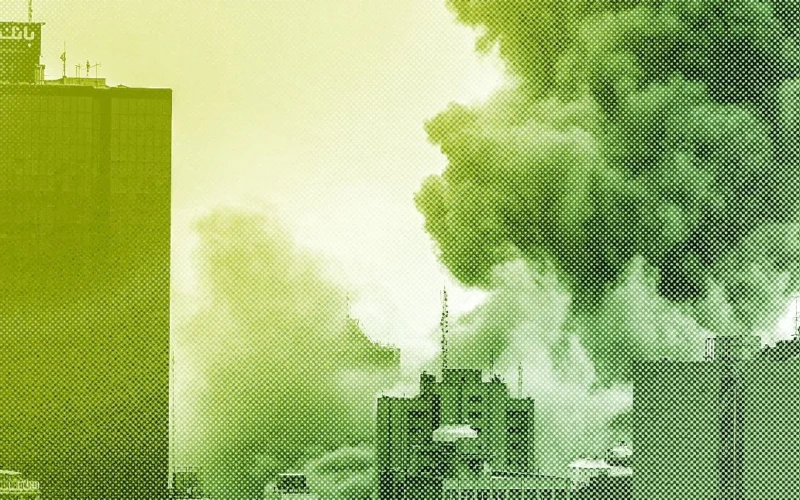
In a recent episode of the podcast Uncanny Valley, the hosts delved into the escalating conflict in the Middle East alongside significant developments in AI technology and prediction markets. With the US and Israel’s coordinated military actions against Iran, the chaos surrounding these events has been exacerbated by rampant disinformation, particularly via the platform X. The hosts noted that misleading claims about the attacks proliferated, including AI-generated content and erroneous visuals from video games, making it nearly impossible to ascertain the ground realities during this tumultuous time.
It was highlighted that the disinformation came not just from the chaos itself but also due to the lack of effective measures to combat false narratives. The conversation pointed out that Twitter’s supportive environment for sensational and misleading content only worsened public perception, further complicating efforts to report accurate details from the field where journalists in Iran face severe internet restrictions.
Amidst this backdrop, other topics included ongoing tensions between AI firms like Anthropic and the Pentagon, especially following comments from Anthropic regarding ethical considerations surrounding military applications. As the military shows increasing interest in employing AI capabilities, concerns arise regarding these companies’ commitments to their original goals of safeguarding civil liberties.
Further, in the realm of business, the hosts explored Paramount’s unexpected acquisition of Warner Brothers, a significant move in the media landscape that reflects broader trends in business consolidation—most notably influenced by the Trump family’s interests in both prediction markets and media assets.
The prediction markets themselves faced scrutiny as they began hosting bets relating to the ongoing war. This sparked ethical concerns, raising troubling questions about the commodification of human suffering in the conflict. In this podcast installment, the discussion culminated in reflections on interpersonal and societal impacts of these broader trends, setting a predictive lens on the future amid ongoing global crises.
For further context on the topics discussed, the following articles were referenced: