



A nonprofit organization in San Francisco’s Tenderloin district, Project Open Hand, has turned to robotic technology to aid in meal preparation amidst a shortage of human volunteers. Originally founded in 1985 to serve individuals affected by the AIDS crisis, the organization now provides medically tailored meal boxes for those with various health conditions like heart disease and diabetes.
As the demand for meals increased, Project Open Hand faced challenges in garnering sufficient volunteers, particularly after the COVID-19 pandemic. Traditionally, corporate volunteer groups played a significant role in meal assembly, but as the pandemic saw many leaving the city, this crucial support diminished. CEO Paul Hepfer noted that while there has been a resurgence of businesses in the area, they have not engaged with nonprofits like Open Hand as they did pre-pandemic.
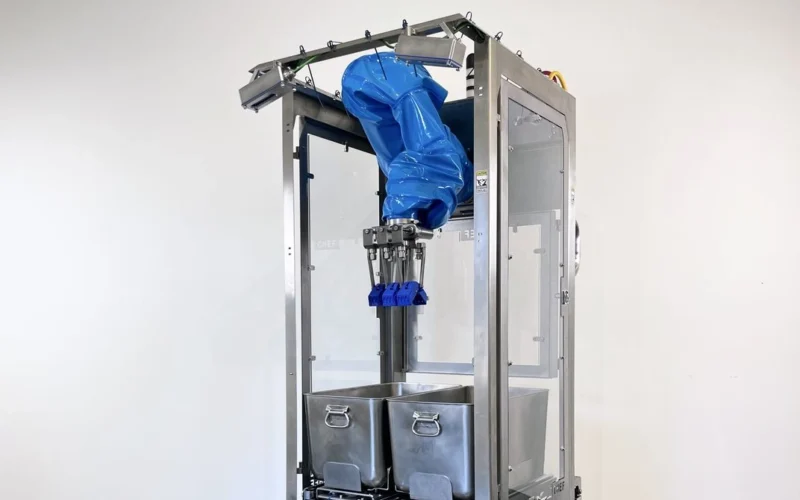
To alleviate the pressure, Project Open Hand partnered with Chef Robotics, a San Francisco-based company that creates robotic systems for food plating. Although the robots are not designed to cook or chop, their ability to efficiently plate meals helps supplement the work of human volunteers. During busy periods, the robots can produce an additional 200 meal boxes per hour, allowing volunteers to focus on tasks that require a human touch.
The robots employed at Open Hand are capable of handling around 70 different ingredients and operate a few hours a day in conjunction with human workers. While the technology isn’t perfect and sometimes causes minor messes, it has contributed to a more efficient operation overall.
Hepfer remains hopeful that this tech-forward approach could stimulate interest from the tech community to get involved with non-profits like Open Hand. He believes that showcasing their willingness to innovate could attract more volunteers and resources moving forward.
Despite initial skepticism, some human volunteers have acknowledged the robots’ effectiveness in boosting productivity. For example, Joseph Sobiesiak, a long-time volunteer who first sought help from Open Hand in the 1990s, notes that while he is accustomed to traditional meal assembly, he recognizes that the robots have improved efficiency in the operation.
In summary, Project Open Hand has creatively embraced robotic technology to tackle volunteer shortages, thereby ensuring the continued provision of vital meal services within the community.