




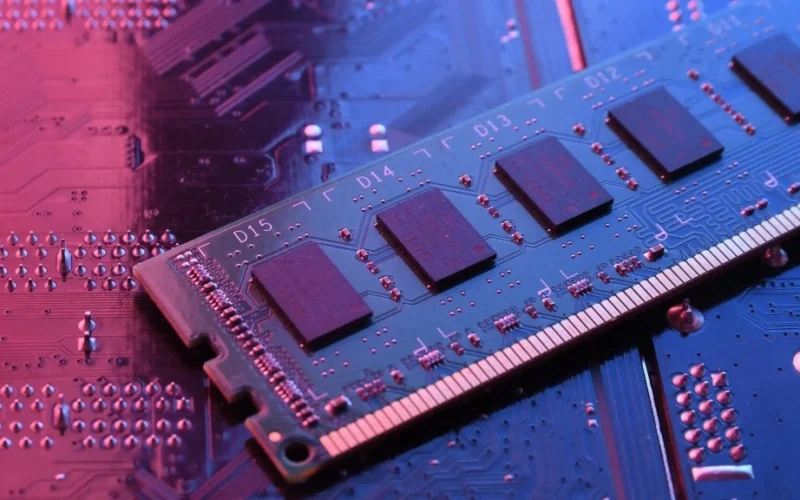
The RAM price crisis is leading hardware manufacturers, including Apple, to consider partnerships with Chinese semiconductor makers, despite the U.S. government’s reservations. Apple is negotiating with ChangXin Memory Technologies Inc. (CMTI) and Yangtze Memory Technologies Co. (YMTC) to acquire chips aimed at alleviating the global memory shortage. These manufacturers are listed on a Pentagon blacklist due to alleged ties to China’s military.
Reports indicate that Apple’s negotiations coincide with efforts to mitigate potential political backlash, as these companies may support Beijing’s military initiatives. Analyst Ming-Chi Kuo highlights that Apple’s CEO, Tim Cook, has the unique ability to manage relations with both Washington and Beijing, making these discussions especially urgent given Cook’s tenure.
However, the implications extend beyond political concerns. Experts warn that sourcing chips from these companies could introduce significant risks for enterprise IT buyers. CIOs need to be vigilant about potential security threats, including the possibility of embedded backdoors or hidden functionalities in the chips. Historical instances of security breaches related to chip sourcing increase these concerns.
The Pentagon’s 1260H list identifies CMTI and YMTC as entities associated with the Chinese military, while their current status does not legally prohibit transactions. Nevertheless, the U.S. government could elevate these companies to a more restrictive status, which would complicate Apple’s attempt to secure cheaper RAM supplies for their products. Analysts suggest Apple might limit the backlash by restricting the use of these chips to devices sold within China.
The broader tech landscape reveals that other manufacturers, such as Lenovo, have been sourcing RAM from Chinese suppliers for years without encountering immediate political challenges. If Apple successfully navigates the political landscape, it could open avenues for other vendors to procure cheaper RAM, but it may also lead to increased scrutiny and caution among companies considering similar sourcing strategies.
Moreover, the lack of clear quality issues with these products makes the sourcing decisions even more complex for IT departments, which will need to enhance their oversight of component sourcing to ensure compliance and security standards are met. In a climate where government procurement practices can significantly impact purchasing decisions, the sourcing of RAM could turn into a critical compliance question for organizations.
As the situation unfolds, it remains to be seen how Apple’s collaboration with these Chinese manufacturers will influence the larger market and what it could mean for enterprise buyers navigating these geopolitical challenges.