


A little over 11 years ago, Ross Ulbricht was arrested in a San Francisco library, discovered with his laptop still logged into the Silk Road, the first dark web drug marketplace he created. After being sentenced to life in prison for various charges linked to the site, he has now been pardoned by former President Donald Trump.
On Truth Social, Trump announced the pardon, misspelling Ulbricht’s last name but expressing his belief that Ulbricht’s conviction was absurd and stating, "He was given two life sentences, plus 40 years. Ridiculous!” This action reflects Trump’s growing ties with the cryptocurrency community, which has rallied around Ulbricht as a symbol of libertarian values.
The Silk Road, operational from 2011 to 2013, allowed users to buy and sell narcotics, counterfeit documents, and other illegal goods, facilitating transactions through Bitcoin. The site was ultimately shut down after FBI agents traced its server to Iceland, leading to Ulbricht’s arrest. He was convicted in 2015 on multiple charges, including money laundering and the “continuing criminal enterprise” statute, usually aimed at organized crime figures.
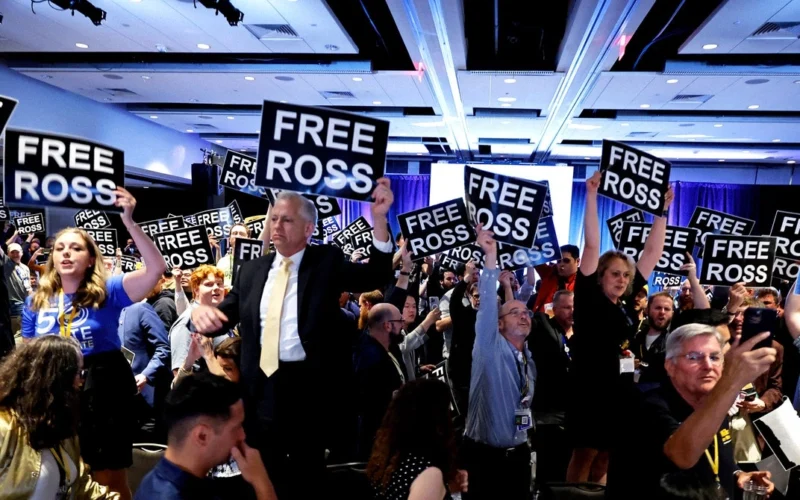
Since his sentencing, a movement advocating for Ulbricht’s release has gained momentum. Supporters argue that the Silk Road represented a libertarian experiment in free trade and that Ulbricht should not be held accountable for the harm caused by drugs sold on the platform. They highlight that Ulbricht himself did not directly sell drugs and, in some views, made the drug trade less violent by taking it online.
However, controversies cloud the narrative; it was alleged that Ulbricht attempted to arrange murders of individuals who posed threats to him, although these plans did not succeed. These allegations previously hindered Trump’s administration from considering clemency.
As public sentiment shifted, especially within the libertarian crypto circles, Trump promised during the Libertarian National Convention to commute Ulbricht’s sentence if re-elected. While clemency for Ulbricht did not occur on the anticipated "Day One," Trump later pardoned numerous individuals involved in the January 6 insurrection.
Ulbricht’s future remains uncertain post-release. Critics warn against romanticizing his actions, emphasizing the real-world harm from the Silk Road. Yet, advocates for criminal justice reform view Ulbricht as a case of excessive sentencing, arguing he has paid his debt and should be free. Following the announcement of his pardon, Ulbricht’s supporters expressed their gratitude, affirming their belief in his innocence and celebrating his newfound freedom.
As he reintegrates into society, Ulbricht’s case could impact ongoing discussions surrounding criminal justice reform and the handling of nonviolent offenders.