



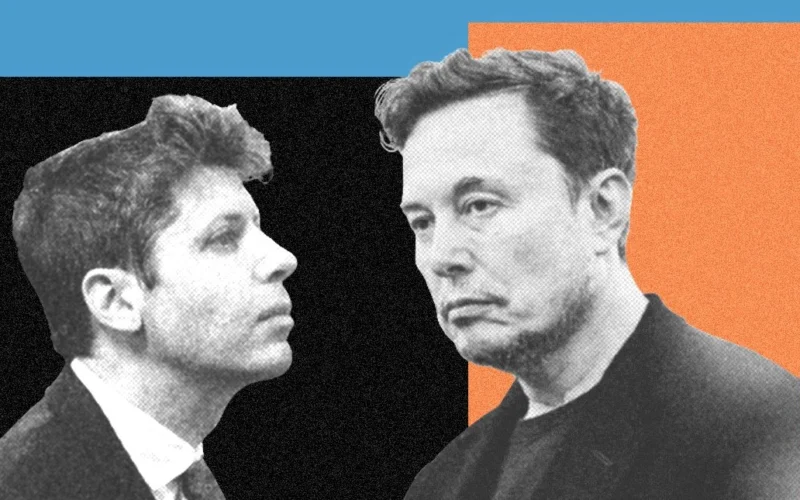
Elon Musk’s lawsuit against Sam Altman is set to go to trial this month in Oakland, California, where a jury will determine if OpenAI has deviated from its foundational goal of ensuring Artificial General Intelligence (AGI) benefits humanity. This case, titled Musk v. Altman, has attracted considerable attention not only due to the notoriety of its billionaire co-founders but also because its outcome may influence OpenAI’s future operations and IPO plans.
The stakes are notably high, as a ruling against OpenAI could hinder its ambitious IPO aspirations this year, especially with Musk’s involvement as an OpenAI competitor, given that his company, SpaceX, now owns xAI, a rival AI lab. While a trial is imminent, an out-of-court settlement remains a possibility, albeit an unlikely one.
What Is This Case?
Musk’s lawsuit claims OpenAI has strayed from its original nonprofit mission to ensure that AGI serves humanity. The defendants include OpenAI, Altman, its President Greg Brockman, and major investor Microsoft.
Musk, a co-founder who invested approximately $38 million during its early development before departing in 2018 due to disagreements, alleges multiple breaches. He contends that OpenAI has converted into a for-profit entity that prioritizes revenue generation over public benefit. The lawsuit comprises three main allegations: breach of charitable trust, fraud, and unjust enrichment. Musk argues that OpenAI’s transformation into a for-profit organization contradicts its original commitment to open-source technology and transparency.
The defendants assert Musk’s claims are unfounded and suggest he aims to cripple OpenAI to favor his new company, xAI. Musk seeks various remedies, including the removal of Altman and Brockman from OpenAI and a revocation of its status as a public benefit corporation.
OpenAI has publicly dismissed Musk’s claims, attributing them to jealousy and a perceived desire to weaken its competitive standing in the AI space.
Why Should I Care?
Several former OpenAI employees and AI safety nonprofits have shown support for Musk’s claims, arguing it’s crucial for OpenAI to adhere to its founding principles. They highlight concerns that the shift toward a profit-oriented structure may compromise the safety and benefits of AGI for humanity. Notably, criticisms emerged around OpenAI’s backing of a legislative bill shielding AI firms from liability, which some believe contradicts its stated mission.
The case is also significant from a regulatory perspective, as it may intersect with actions taken by attorneys general in Delaware and California, who oversee non-profit operations, creating a myriad of implications for OpenAI’s governance.
Have Any Juicy Details Emerged? Will Any More Come Out?
The ongoing lawsuit has already revealed a wealth of internal communications between key players at OpenAI, including Altman and former chief scientist Ilya Sutskever. Demonstrative of the trial’s potential for significant disclosures, witnesses will include Musk, Altman, Brockman, and several high-profile individuals connected to both OpenAI and the broader technology landscape.
Is Musk the Right Person to Bring This Case?
While opinions on Musk’s motivations are divided, legal experts agree that his actions could catalyze important discussions about the commercialization of charities and the regulatory frameworks governing them. Despite doubts about Musk’s motives, there remains a potential for beneficial outcomes, such as increased scrutiny on OpenAI’s commitment to its founding mission and potentially greater independence for its nonprofit foundation.
The courtroom drama ahead not only encapsulates a high-stakes business dispute but also raises profound questions about the future of AI development and ethical considerations surrounding its commercialization.