



Days into 2026, protests ignited across the United States in response to the shooting of Renee Nicole Good, a 37-year-old woman killed by a federal immigration officer in Minneapolis. The officer claimed to have acted defensively, but video evidence contradicted his narrative, leading to widespread outrage over both the incident and the Trump administration’s immigration policies.
As demonstrations began, protesters were reminded that their safety extended beyond physical concerns to digital security, given the vast array of surveillance tools available to law enforcement. Activists warned that police could monitor communications, even intercepting messages during protests, and urged participants to consider how easily identifiable information could be extracted from their devices.
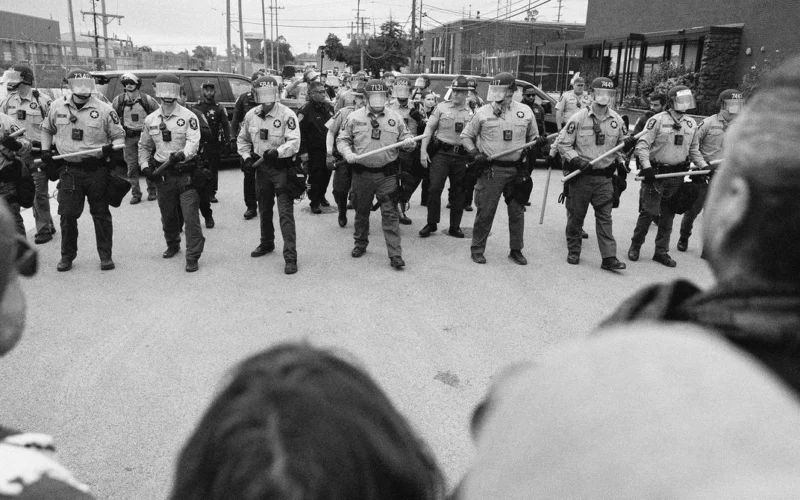
The situation was compounded by an alarming trend where police had previously shown willingness to confront peaceful demonstrators aggressively. Thus, it was crucial for activists to understand that digital footprints could be weaponized against them in the politically charged climate.
Evan Greer, a representative from the advocacy group Fight for the Future, emphasized that digital security during protests is crucial. He provided tips for maintaining privacy, highlighting the importance of choosing whether to bring a phone, and if so, which one. Mainstream smartphones significantly risk exposure, as they can transmit identifying information to law enforcement. For anonymity, abandoning personal devices for secondary or burner phones, with reduced personal data, is recommended.
If attendees opted to bring their phones for coordination, experts advised keeping them switched off unless absolutely necessary to minimize chances of connecting to unauthorized networks. Another level of protection could include storing phones in Faraday bags to block signals.
Beyond device safety, maintaining anonymity in physical appearance was also crucial. Wearing face masks and sunglasses could impede facial recognition technology, though expert opinions suggested more elaborate disguises might be necessary to evade sophisticated surveillance methods. Careful consideration of clothing could also reduce recognition.
Participants were reminded of the implications of transportation methods. Arriving by car could expose them to automatic license plate readers, which police use to track vehicles associated with protests. This added another layer of risk to the decision to attend.
Overall, Greer and others stressed that in an environment ripe with heightened risk, particularly for marginalized groups, attendees must evaluate their willingness to confront possible repercussions such as arrest or violence. The increasing risks of physical violence and mass arrests during protests have shifted the dynamic, enforcing a need for heightened awareness around both physical and digital safety protocols.
As the tension escalates with ongoing protests and governmental backlash against dissent, the implementation of new surveillance practices looms, further exemplifying the need for strategic preparations among activists. Each individual’s circumstances would dictate their level of vulnerability, but adopting comprehensive privacy measures could empower many to stand up for their beliefs while safeguarding their personal safety.