




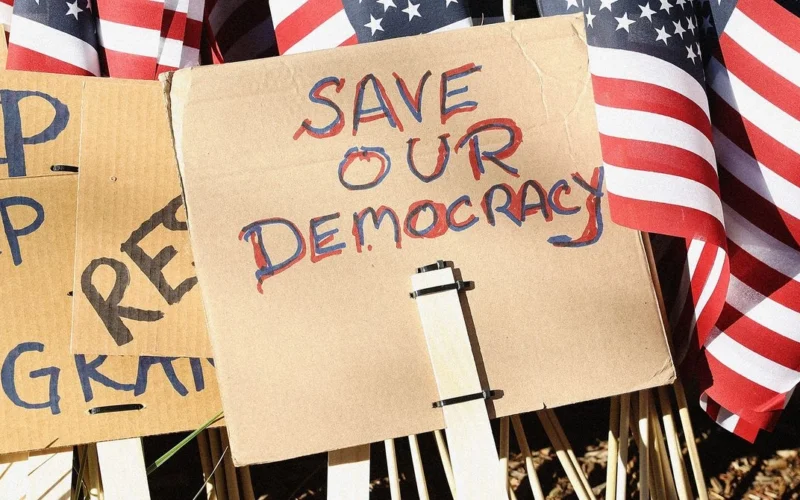
Rarely in modern U.S. history have so many citizens opposed the federal government with minimal hope for high-level political change, leading many to seek grassroots organizing as a means of resistance. Yet, in this environment, individuals rallying for causes such as immigrant rights, civil rights, and policy changes encounter a formidable challenge: the federal government’s vast surveillance capabilities and its partnership with tech companies that control private data.
The key concern is how to bring together diverse groups of people without drawing attention from agencies like Immigration and Customs Enforcement (ICE) and Customs and Border Protection (CBP), which are known for controversial operations and formidable budgets. Safe organizing amidst this surveillance requires not just technical skills but also a careful balance between maintaining secrecy and being publicly accessible.
Eva Galperin of the Electronic Frontier Foundation emphasizes the importance of "threat modeling," which involves evaluating what information could be at risk and what must remain confidential. This approach necessitates distinguishing between what information needs to be public and what should be protected, especially when many critical organizational activities must happen openly to mobilize support and solidarity.
A structured approach to secure organizing includes the following strategies:
Decide What to Protect
Identify sensitive information and establish what needs encryption or must be kept secure. Understanding that total secrecy can deter new members is crucial—many organizing activities rely on public outreach and community engagement.
Lock Down Your Communications
Using an encrypted messaging app, such as Signal, is vital for safe communication. Signal provides end-to-end encryption, which ensures that only the communicating devices can access the messages—guarding against external surveillance. Activists should utilize features like disappearing messages to further protect their communication. However, one must remain aware that encryption alone doesn’t guarantee security—vigilance over group size and member vetting is also needed.
Use Secure Collaboration Tools
Collaborative tools like Google Docs or Microsoft Office 365 are common for group projects but can compromise privacy as they are susceptible to legal requests from authorities. For organizations that prioritize data security, it may be worthwhile to use self-hosted alternatives, such as Nextcloud or CryptPad, ensuring greater control over data protection. Alternatively, encrypted tools offered by companies like Proton can serve as a middle ground for organizations seeking both accessibility and security.
Meet in Real Life Safely
If face-to-face meetings are feasible, they can significantly reduce digital vulnerabilities, but attendees should consider the implications of being seen together. Assessing the risk of being observed or tracked is crucial before deciding on in-person gatherings, particularly in sensitive contexts.
Assess, Then Act
Ultimately, all forms of organization that threaten entrenched interests come with inherent risks. Each organizer must evaluate their willingness to accept the possible repercussions of their activities. Building a comprehensive threat model can enable groups to make informed decisions about how and when to act while promoting their causes.
In summary, effective grassroots organizing in an age of surveillance requires a strategic approach to privacy and security, adapting tools and methods to the risks while remaining committed to the mission of community support and advocacy.