


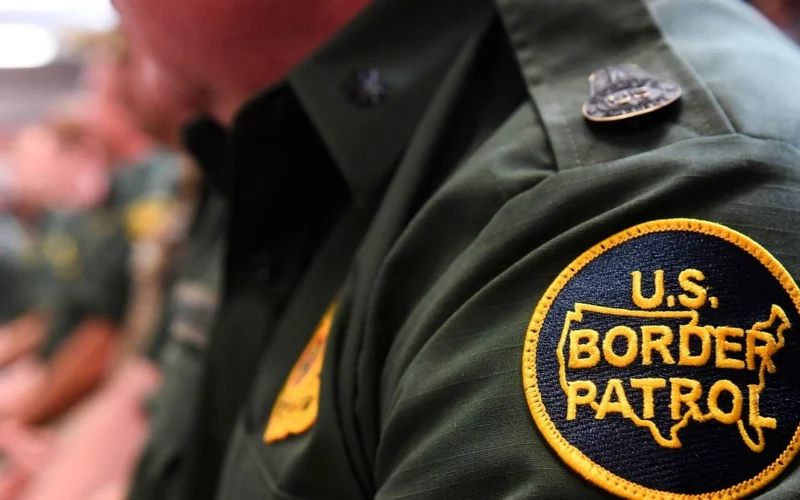
The U.S. Department of Homeland Security (DHS) has recently displaced several senior privacy officials within Customs and Border Protection (CBP) after they raised concerns about directives to mislabel government documents in a manner intended to prevent public access under the Freedom of Information Act (FOIA).
Confidential sources have reported that since January, top CBP privacy officials, including the agency’s chief privacy officer and one of its branch chiefs, have been reassigned. This action follows directives from the DHS Privacy Office issued in December, which required compliance forms to be labeled as legally privileged and signed privacy assessments to be designated as "drafts" to avoid release to the public.
This shift in protocol emerged after a CBP FOIA officer disclosed a redacted privacy assessment—known as a Privacy Threshold Analysis (PTA)—which revealed the usage of a formerly undisclosed facial recognition tool, Mobile Fortify. Public access to this document exposed that the tool would capture images of individuals, including U.S. citizens, storing them for up to 15 years, an issue that sparked backlash within DHS leadership.
Experts, including legal professionals from public interest groups, have condemned these actions, claiming they constitute an illegal policy shift aimed at increasing governmental secrecy regarding privacy assessments. There is widespread concern that such reclassifications threaten to obscure essential information about the impact of government surveillance technologies on individual privacy.
Internal emails within the DHS have contradicted the official stance, indicating a clear directive to withhold PTAs from public release altogether. While DHS representatives have claimed the agency adheres to FOIA standards, communications suggest a systematic effort to limit transparency around surveillance technologies.
Civil liberties advocates argue that the public must have access to privacy assessments to ensure accountability and prevent the misuse of surveillance technologies. They warn that without this oversight, rights violations may go unchecked, highlighting the critical role of these assessments in evaluating the impact of government practices on individual privacy rights.