



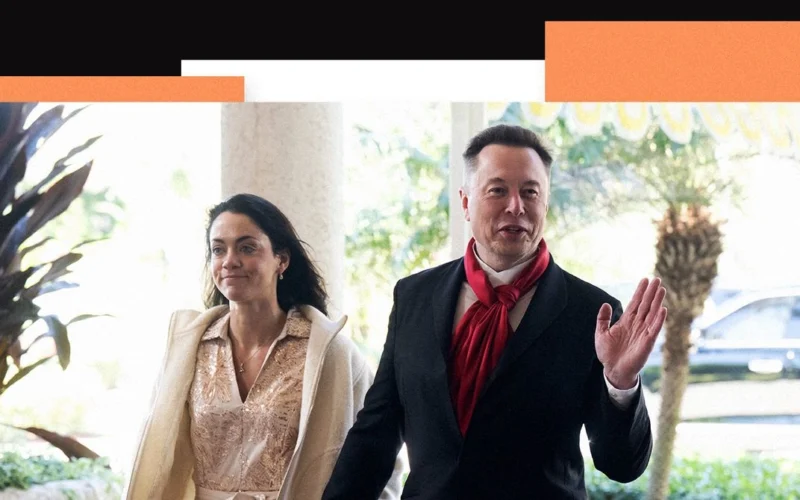
As the trial in Musk v. Altman progresses, Shivon Zilis has emerged as a significant figure, acting as a key communicator in OpenAI’s early development, particularly during the tense relationship between Elon Musk and the organization. Zilis, who has four children with Musk and previously joined OpenAI as an adviser in 2016, served on the board of its nonprofit until 2023, while also holding executive roles at Musk’s other ventures, Neuralink and Tesla.
During court proceedings, Musk referred to Zilis variously as a “chief of staff” and a “close adviser,” revealing the complexity of their relationship. Zilis stated she became romantically involved with Musk around the time she started advising OpenAI, although she clarified that he was more of a guest at her residence than a roommate. Her dual role became crucial as she acted as a liaison between Musk and OpenAI even after he left its board in February 2018.
The trial highlighted messages that Zilis exchanged with Musk, showcasing her mediating role. In a text from February 2018, she sought guidance on how to maintain a good rapport with OpenAI while ensuring communication flowed smoothly. Musk’s response indicated an intention to move staff from OpenAI to Tesla, hinting at strategic interests behind Zilis’s communications.
Further exchanges revealed Zilis updating Musk on fundraising efforts and project advancements at OpenAI, even while reallocating her time toward Musk’s other companies. She was involved in discussions regarding OpenAI’s structure, identifying concerns from co-founders that one individual should not monopolize power, which Musk found “very annoying.”
Even after Musk’s departure from OpenAI’s board, Zilis continued to relay information back and forth between him and OpenAI executives. This included advising Sam Altman on how to respond to Musk when he reacted negatively to OpenAI’s new funding initiative. This ongoing communication underlines Zilis’s influence during a critical period for OpenAI.
The trial has seen Musk insisting that OpenAI strayed from its original charitable purpose, raising doubts about whether he imposed any conditions on his $38 million donation that would prevent it from becoming a for-profit entity. His legal stance hinges on proving that his funding created a binding promise that has since been violated.
Currently, tensions are high as Musk and OpenAI face off in court. The complexities of Zilis’s role shed light on the interplay of personal and professional relationships within the tech industry and their potential ramifications for the future of AI governance. The trial continues, with significant testimonies anticipated.