




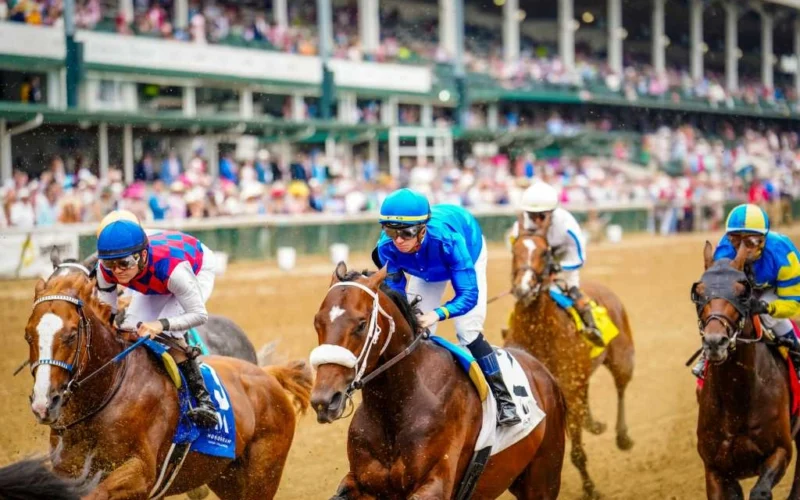
Churchill Downs, the historic venue famous for the Kentucky Derby, is implementing a significant network transformation ahead of the event, which draws 170,000 spectators. The upgrade includes a partnership with Cisco to deploy over 7,000 switches across 26 properties, encompassing 12 regional casinos and 18 racing venues.
The transition aims to consolidate various legacy networks into a unified, AI-ready infrastructure capable of handling the intense demands during peak times like Derby Week. As Churchill Downs Senior Vice President and CTO Nate Simon notes, the organization has doubled in size over a few years, acquiring numerous gaming properties, leading to diverse architectures and security challenges that need resolution.
A major focus of the update is the pari-mutuel wagering system, which requires precise timing. Every wager must arrive simultaneously to ensure accurate odds calculation, highlighting how crucial a reliable network is during events. Simon explains that even slight delays can lead to missed wagers and incorrect betting odds.
The new network infrastructure will utilize the Cisco Catalyst Center, promoting automation with features like zero-touch provisioning and orchestrated upgrades across all properties. This switch is crucial for addressing the unique variability faced by Churchill Downs; for instance, their capacity can jump from 50,000 to as high as 180,000 during the Derby.
Simon’s team is tasked with ensuring that the network can manage both everyday activities and the burst of demands during busy periods. This involves maintaining connectivity for thousands of transactions at point-of-sale systems, delivering IP-based TV content, and enabling mobile ticketing—all while aiming for minimal latency on wagering.
Security is another key focus, especially since the Derby is classified as a SEAR 2 event, which significantly heightens the security requirements. Integrating the Splunk Observability Cloud has improved the speed of identifying and addressing security threats, drastically reducing the mean time to validate alerts from 40 hours to just a couple of minutes.
Churchill Downs’ modernization has also focused on improving operational efficiency without disrupting customer experience. The transition from coaxial to IP-based television systems allows for centralized control and faster access, enhancing patron interactions, such as enabling self-service channel changes and targeted advertising.
Several takeaways for network engineers include:
- Standardization for Scale: Achieving consistent rollout across properties ensures operations can scale effectively.
- Designing for Peak Capacity: Architecting with peak loads in mind helps manage extreme variances in demand.
- Operational Automation: Automation reduces the workload on team members, allowing them to focus on security and other high-value tasks.
- Effective Observability: Real-time monitoring systems improve the security response time, vital for complex events.
- Infrastructure for Future Applications: As networks evolve, planning for new use cases will help take advantage of improved connections.
Ultimately, the network upgrade at Churchill Downs illustrates how even traditional institutions can embrace modern technology to enhance operational efficiency, security, and overall experience for attendees. As the 152nd Kentucky Derby approaches, Simon is optimistic about the performance and reliability of the new systems, hoping for an event where the infrastructure goes unnoticed, allowing guests to enjoy the thrilling spectacle without a hitch.