




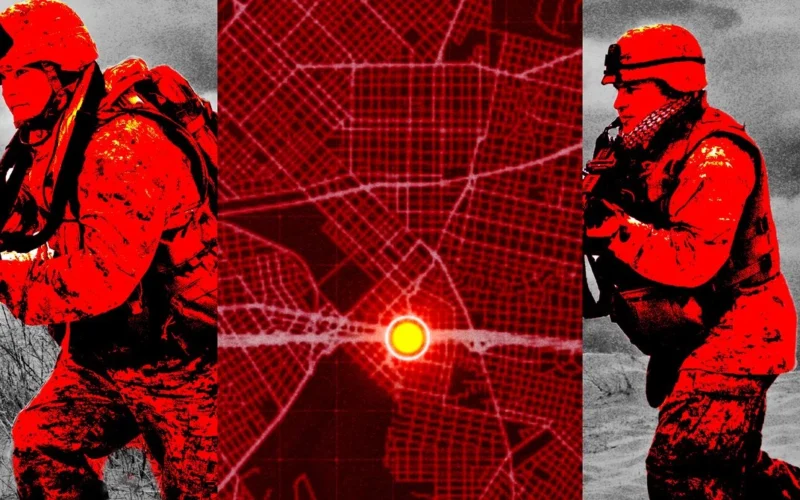
For nearly a decade, the Pentagon has grappled with warnings from contractors, intelligence agencies, and analysts regarding the risks associated with commercially available location data that can expose the whereabouts of American troops. Despite this knowledge, the military largely ignored these alerts. This negligence has now led to serious implications, as adversaries are reportedly using this data to target US personnel in conflict zones.
A recently released letter from US Central Command reveals that they have received numerous threat reports indicating that commercial location data is being exploited to surveil and attack US soldiers in theaters of operations, marking the first official acknowledgment of this reality. The situation escalated when investigative reports highlighted how easily accessible this data is; anyone with a credit card can purchase detailed maps that indicate where US troops sleep, work, and even store sensitive materials like nuclear weapons.
Warnings about the vulnerabilities posed by this data have consistently reached lawmakers, yet comprehensive privacy legislation has stalled in Congress. The narrowest of reforms was a call for military contractors to refrain from reselling data, which left the broader data broker market unregulated.
In 2016, during a demonstration for military leaders at Fort Bragg, a government technologist showcased how bought location data could track soldiers from elite units across international borders. Despite clear evidence that this market could endanger troops, there was a troubling eagerness from the Pentagon to tap into these location data services. By 2021, the Defense Intelligence Agency admitted to utilizing commercially purchased location data, claiming a warrant was not necessary.
Further compounding the issue, a study commissioned by the Army in 2023 revealed a rampant availability of data on service members through data broker websites, which included sensitive information at alarmingly low costs. Researchers even managed to acquire data based on location tracking of military installations.
Past investigations corroborated the extent of the issue, such as a project showing that location data from millions of Americans, including military personnel, had been surveilled and recorded. Even as these realities unfolded, the Pentagon has maintained a narrative focused on individual responsibility for security, sidestepping the institutional failures that allowed such exposure to persist.
Reports from internal Army divisions in recent years recommended basic yet crucial technological adjustments that could have mitigated these risks, but the military has been slow to act. A bipartisan group of lawmakers is now pressing the Pentagon to implement long-overdue privacy measures, such as disabling advertising identifiers on military devices and promoting safer browsing alternatives. Recently, it was revealed that the measures to curtail location sharing on government-issued smartphones were only rolled out after nearly a decade of warnings.
The Pentagon’s move to encourage soldiers to use personal phones for work—devices that inherently share location data with brokers—further exacerbates concerns. Critics from privacy advocacy groups admonish legislative inaction on these pressing matters, underscoring that surveillance does not inherently ensure security. As attention returns to these long-ignored threats, the Pentagon’s lack of proactive measures raises serious questions about the safety of its personnel in ever-evolving conflict zones.


