



On October 1, 2025, OpenAI launched Sora, a new app designed for users to create and share videos featuring AI-generated deepfakes of themselves and others. This app, which is currently available only on iOS, utilizes OpenAI’s latest video generation model, Sora 2, and aims to offer a TikTok-like experience for users interested in AI content.
Upon signing up, users are notified that while some videos may include people they recognize, the actions and events depicted are not real. OpenAI positions Sora as a tool for creative entertainment, allowing users to generate personalized deepfake videos that can be shared and scrolled through in an endless feed.
To set up their profile, users must create a digital likeness by verbally expressing numbers and turning their heads for the app to capture their movements. Users also have control over who can utilize their digital likeness in videos, with options for sharing restricted to personal use, approved friends, or mutual connections.
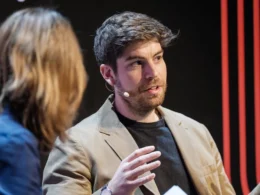
During testing, many popular videos included deepfake renditions of OpenAI CEO Sam Altman. One noteworthy clip featured him humorously "stealing" a graphics processing unit at a store. Despite some glitches in generated videos, the app provides an intuitive means of creating lifelike personalizations.
Users can easily involve friends in their videos by selecting their faces and adding them as "cameos." The app will generate scripts and visuals based on simple prompts. For instance, requesting a video about a fictional office argument produced an amusingly entertaining clip.
However, Altman acknowledged the potential for misuse of the app, specifically regarding bullying, and assured users that safety measures were integrated. OpenAI implemented restrictions against inappropriate content, including explicit violence or self-harm scenarios. Some requests for potentially suggestive content were blocked, while others, such as those showing characters using marijuana, went through without issue.
Interestingly, Sora refrains from generating videos of public figures or celebrities due to copyright concerns. While requests for well-known characters were often denied, the app did allow creativity with Pokémon characters.
Overall, Sora’s release follows a similar app by Meta called Vibes, but many find Sora’s output to be more engaging and electrifying. The novelty of deepfake technology on this platform invites users into a new realm of digital entertainment, where the line between reality and imitation blurs in entertaining ways.
For more details, visit the official OpenAI Sora page.