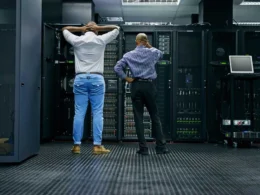




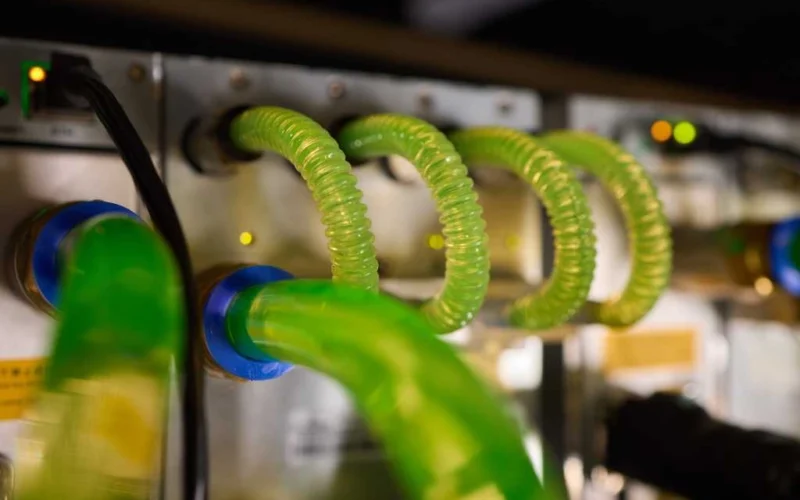
The Thanksgiving outage at CME Group, regarded as pivotal in the financial landscape, served as a stark reminder of the vulnerabilities in modern infrastructure governance. The incident was characterized by a failure in the cooling system at the CME’s primary data center, operated by CyrusOne in Aurora, Illinois. This malfunction led to dangerously high temperatures inside the facility, exceeding 100 degrees Fahrenheit, despite the season’s frigid weather.
Experts such as Sanchit Vir Gogia from Greyhound Research labeled the situation a "predictable failure pattern," attributed to a confluence of inadequate governance and outdated failover logic. The cooling system’s primary and backup units failing simultaneously resulted in a significant disruption, affecting global markets reliant on the CME’s infrastructure. Recommendations emerged for reevaluating the redundancy mechanisms within data centers and adapting to the faster operational demands of contemporary finance.
Matt Kimball, from Moor Insights & Strategy, noted a prevalent communication gap between IT executives and data center operators regarding crucial infrastructure elements like cooling systems. This gap often shifts focus away from what should be considered mission-critical. The recommendation was to reassess redundancy at broader infrastructural levels rather than merely at the application or server levels.
Moreover, John Annand from Info-Tech Research Group emphasized that business continuity plans must anticipate and mitigate risks. He pointed out that CME’s leadership missed an opportunity to failover to a secondary data center during the cooling crisis, which resulted in an extended outage rather than a controlled disruption.
The incident serves as a clarion call for organizations to acknowledge the growing thermal demands on data centers and the associated risks. As the industry operates under higher thermal loads than ever before, this failure underlines the necessity of treating environmental systems with the same rigor as other critical IT components, suggesting that resilience must now be an integral responsibility for all IT leaders. Organizations are urged to prepare for the worst while hoping for the best, indicating that an effective governance model is imperative for the evolving landscape of modern infrastructure.
For further information, you can find related industry insights on: