




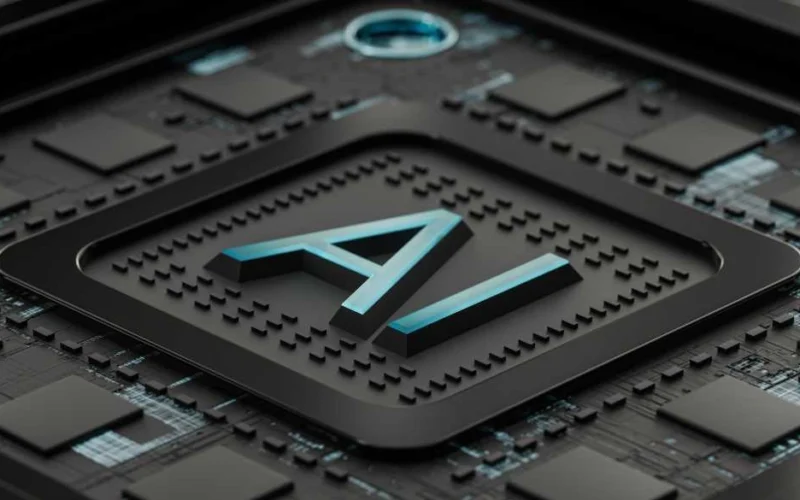
Google has made notable strides in the AI chip sector, creating a significant challenge for Nvidia and the current landscape of AI silicon. Last month, Google launched its 7th generation tensor processing unit (TPU), known as Ironwood. This new chip boasts improvements in inference processing which is crucial for AI applications, along with enhanced memory capacity and bandwidth.
A development that has caught attention is Meta’s reported interest in acquiring a substantial number of these TPUs—potentially 100,000 units—for its hyperscale facilities. This news caused quite a stir within the AI silicon market and put pressure on Nvidia’s dominant position. Analysts speculate that having a reputable competitor like Google enter the market could shift the dynamics of how hyperscalers like Google, AWS, and Microsoft engage with silicon production.
Currently, many hyperscalers have developed custom chips primarily for their own operations, but Google’s potential move to sell its TPUs – designed specifically for AI processing – marks a noteworthy shift. However, experts argue that while Google might compete for market share, its TPUs and Nvidia’s GPUs serve distinct purposes; the former focuses more on inference workloads, while the latter excels in handling large-scale model processing.
Selling and maintaining chips commercially is not traditionally Google’s primary domain, but they have had some experience offering TPUs to startup companies. The key question surrounding Meta’s interest is its intended use for the chips, which might aim to optimize workloads already in place rather than overpower existing solutions like Nvidia’s high-end processors.
Despite Google’s aspirations in the chip selling space, analysts remain skeptical about whether other hyperscalers will follow suit due to their different operational focuses and existing partnerships that complicate direct competition. While there is nothing stopping them, the challenges involved suggest that most will continue to stick to developing custom silicon for in-house use rather than shifting towards a consumer-facing chip business model.