





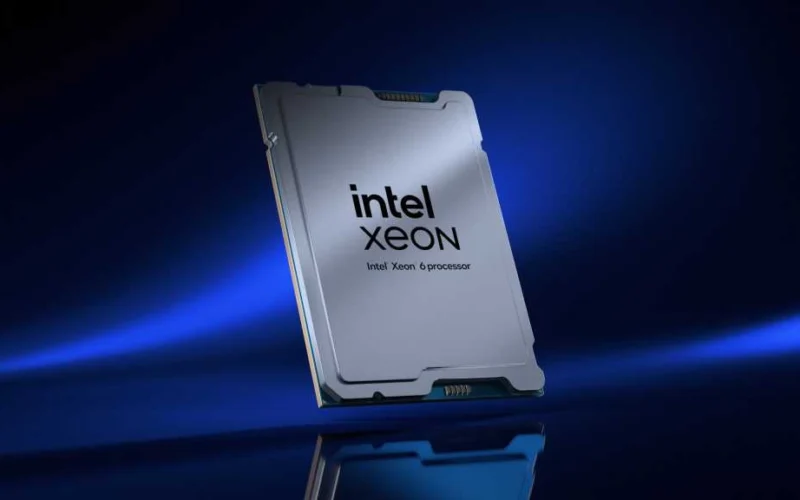
This year has been defined by a tumultuous journey for Intel, showcasing significant leadership shifts, product launches, and strategic shifts amid rising competition. Under the new CEO, Lip-Bu Tan—who took over in March 2025—the company introduced its first Xeon processors based on the new 18A process node. Alongside this, Intel also divested its FPGA business and initiated considerable layoffs aimed at restructuring.
Key Developments in Intel’s 2025 Journey
-
Leadership Changes
- New CEO’s Perspective: In July, Tan remarked that Intel was no longer among the top ten semiconductor companies, which marked a stark shift in tone compared to previous leadership.
- Technology Roadmap: Within weeks of starting, Tan emphasized the need for transformation and invited constructive criticism to rejuvenate the company.
-
Partnerships and Investments
- Strategic Collaborations: In September, Intel announced a partnership with Nvidia, planning to design CPUs using Nvidia’s NVLink technology in exchange for a $5 billion stake. This partnership is aimed at enhancing cooperation in the AI and data center landscapes.
- Federal Involvement: Rumors surfaced about the U.S. government’s intention to acquire a 10% stake in Intel, potentially aiding in the speedier establishment of advanced semiconductor fabrication facilities.
-
Product Development and Releases
- New Processor Models: Intel debuted its latest Xeon processors, including the groundbreaking 288-core model, and expanded its lineup to cater to high-performance computing needs.
- Market Response: The introduction of these technologies positions Intel favorably against competitors, promoting efficiency and performance.
-
Market Dynamics and Concerns
- Market Exits: Intel sold a majority stake in its FPGA division at a significant loss, reflecting a strategic redirection towards core competencies in the semiconductor market.
- Talent Migration: The year also saw high-profile exits, including the chief architect of Xeon processors who moved to Qualcomm.
-
Outlook and Analysis
- Despite facing challenges, such as a looming labor contraction and shifts in market share towards AMD and other competitors, Intel managed to retain its position in both client and server markets.
- Analysts note that while Intel is navigating economic headwinds, strategic layoffs and a renewed focus on core products may pave the way for future growth.
In summary, 2025 was a pivotal year for Intel marked by significant leadership transitions, strategic realignments, and leaps in technology that indicate a continued effort to reclaim its status in the highly competitive semiconductor landscape.


