




In a shift reflective of ongoing energy struggles, the United States is increasingly backing nuclear power while witnessing the decline of coal plants. The resurgence is largely tied to the demands of burgeoning sectors such as artificial intelligence (AI).
Recall 2017 when the Trump administration sought to rescue coal and nuclear plants through subsidies amid fierce competition from gas and renewable energy sources. Despite these efforts, coal has significantly declined, now constituting just 17% of the power mix compared to 45% in 2010. Over the years, the nuclear sector experienced setbacks too, with reactors halting construction and plants closing.
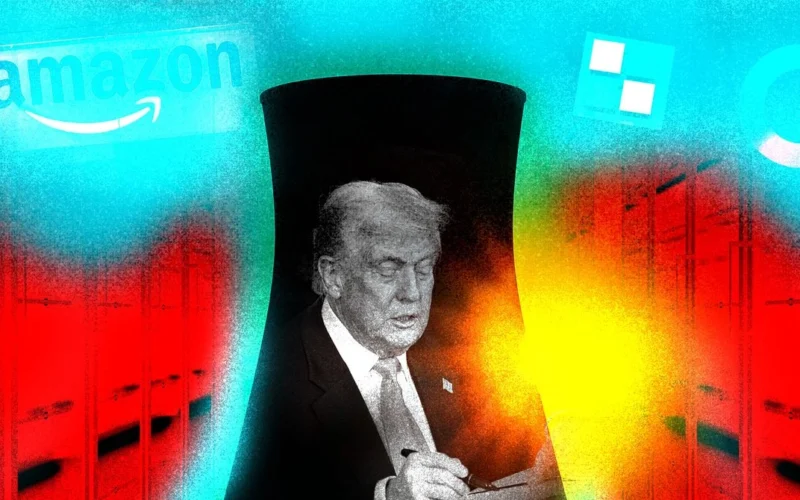
Fast forward to 2025, the narrative has turned with a new focus on nuclear energy. The Trump administration has committed to expanding nuclear infrastructure, including plans for 10 new large reactors by 2030, hoping to tie this initiative to the energy requirements of AI. Significant investments have emerged from tech giants like Google, Amazon, and Microsoft, who are forming partnerships with nuclear corporations to supply power to their data centers.
Notably, public support for nuclear energy has reached its peak since 2010. However, the future of nuclear remains uncertain due to high construction costs and concerns surrounding the validity of small modular reactor valuations linked to political agents.
On the coal front, the administration has also sought to prolong its life by orders that counter previous regulation efforts. Despite these maneuvers, a broader analysis reveals that top U.S. utilities still plan to cut back their dependence on coal, with many opting to pivot to more nuclear energy instead.
While nuclear power garners attention for its potential as a clean energy source, the coal industry struggles with its public image and environmental implications. Despite the push for collusion with nuclear technology, no major players openly support coal, which may signal a challenging path ahead for this traditional energy source.
In contrast, utility-scale solar and wind power remain cost-effective alternatives, ensuring that the market dynamics favor renewables despite government favoritism. As global competition in AI expands, a closer examination of energy strategies, especially in contrast with nations like China, may be crucial for U.S. goals in the technology race.