




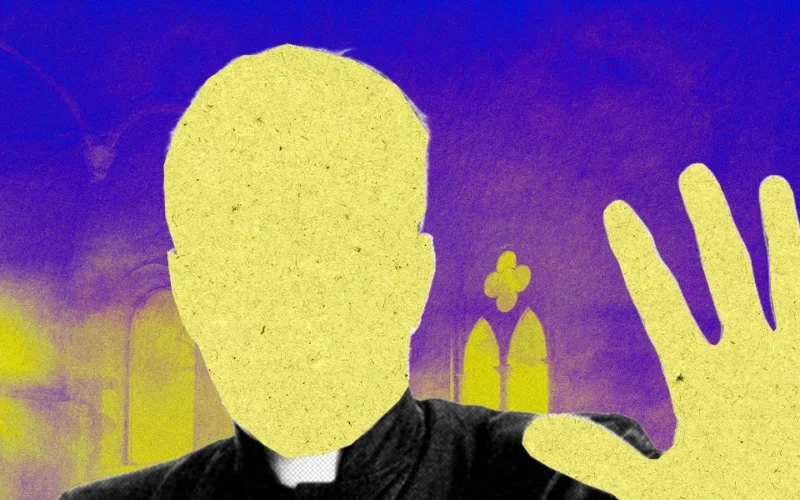
Father Mike Schmitz, a popular Catholic priest and podcaster, recently addressed his audience about a concerning trend—AI-generated impersonation scams targeting religious leaders. During a public announcement, Schmitz highlighted the alarming practice where fake versions of himself, created through deepfake technology, have begun circulating online. In these videos, the impersonator falsely claims to be Schmitz, delivering misleading messages and solicitation for donations.
Schmitz showcased examples of these impersonations in which a robotic version of him delivers bizarre messages, urging viewers to act quickly to secure blessings, often adding a sense of urgency with phrases like "the spots for sending prayers are already running out." Despite recognizing the fakes as absurd, Schmitz noted that many viewers may not easily distinguish them from authentic content, presenting a significant risk.
Cybersecurity expert Rachel Tobac explained that pastors are particularly appealing targets for these scams due to their growing online presence. Many congregants may encounter deepfakes of their leaders on platforms like TikTok or Reels, where visually convincing videos often thrive.
Additionally, several pastors across the United States have reported similar incidents, where scammers have impersonated them through texts, calls, and deepfake videos. For instance, Alan Beauchamp, a pastor from the Ozarks, reported a hacking incident where a fake account posted a cryptocurrency trading certificate with his name, misleading his followers. Similar deepfake reports have emerged from other churches across the country.
The increase of AI-generated content has become prevalent, as many pastors utilize social media to extend their reach and solicit donations. However, this same accessibility has provided scammers with an opportunity to exploit their likenesses and voices for fraudulent activities, including convincing phone scams.
Searching social media reveals numerous fake accounts impersonating Father Schmitz, and although TikTok has removed some of these, many still exist, presenting ongoing challenges for public figures without verified profiles. Some of these fake accounts have garnered significant engagement by presenting misleading, fabricated sermons that further blur the lines of authenticity.
There are broader implications as AI-generated content doesn’t only pertain to scams but may also influence perspectives within communities. Viral videos featuring fictitious pastors make bold statements and garner views, even if they don’t reflect real individuals. While the creators behind such content may profit from viewership, the absence of legitimate accountability raises questions about the goals behind these productions.
As religious leaders navigate this rapidly evolving digital landscape, some have begun embracing AI to enhance sermon preparations and engage with congregations in new ways. However, concerns persist regarding potential mental health impacts on users who may misconstrue AI-generated content as divine communication. Experts warn that this could reinforce existing beliefs in susceptible individuals, leading to further complications.
In light of the impersonations and scams, priests like Schmitz exhibit reluctance to adopt AI technology fully, expressing apprehension rooted in past experiences with sci-fi representations of AI as adversaries. Schmitz’s reflections echo sentiments about technology leading society toward stagnation rather than progress, cautioning against blindly embracing advancements without mindful consideration of their implications.
For religious communities facing the repercussions of AI misuse, the path forward may necessitate a balanced approach to leveraging technology while protecting their congregants from deception.