




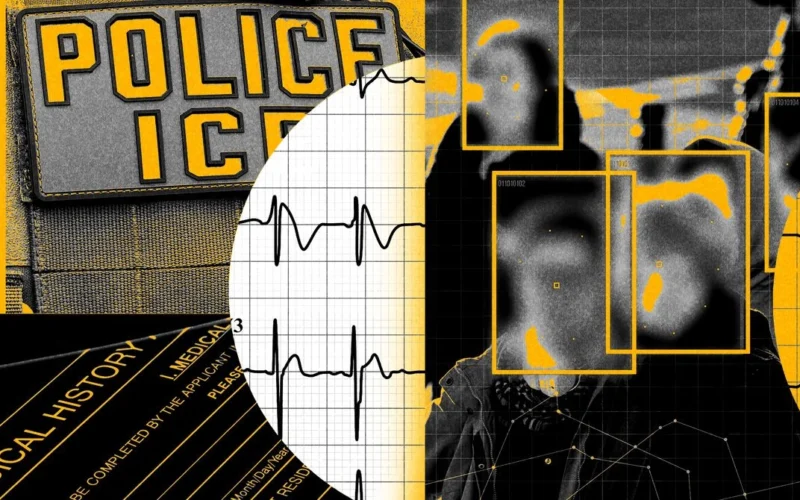
A recent report from the Electronic Privacy Information Center (EPIC) highlights serious concerns about a "health privacy crisis" in the United States, driven by pervasive surveillance practices and ineffective laws governing health data. The report emphasizes how the actions of data brokers, advertising technology, and Immigration and Customs Enforcement (ICE) are damaging patient trust and discouraging individuals from seeking necessary medical care.
According to the EPIC report, patients are increasingly hesitant to seek treatment due to fears of surveillance and potential legal repercussions. This phenomenon is compounded by outdated privacy laws that fail to protect individuals from having their health data tracked and exploited by both private companies and government agencies. The report outlines a troubling dynamic where health-related information is often harvested and sold without informed patient consent, contributing to a chilling effect on individuals who might otherwise pursue medical attention.
EPIC asserts that the unauthorized sale of health-related data has become a booming industry in the absence of comprehensive federal data privacy regulations. Data brokers aggregate and resell sensitive information, such as patients’ diagnoses and treatment histories, often collected from sources outside traditional healthcare settings. This data is frequently repurposed for advertising and risk assessments by insurers and government entities, all without the patients’ knowledge.
The report also underscores how recent actions by ICE have exacerbated this crisis. Reports of ICE agents conducting operations at hospitals and clinics have created an atmosphere of fear, preventing patients from seeking care. Observations of immigration agents in sensitive healthcare locations have led to disruptions in treatment and conversations between patients and medical professionals, further complicating an already challenging environment for vulnerable populations.
Despite previous guidelines that recommended ICE officers avoid medical facilities unless absolutely necessary, the rescinding of these protections has resulted in increased visibility of immigration enforcement in hospitals. This presence creates an additional layer of anxiety for patients and healthcare providers alike, as they navigate an environment rife with uncertainty about their rights and privacy.
Further complicating matters, emerging technologies such as artificial intelligence pose additional risks, amplifying existing privacy concerns through heightened data processing capabilities, often without sufficient regulatory oversight. EPIC’s report criticizes the current privacy framework in the U.S., which relies heavily on a “notice-and-choice” model. This model places the burden on individuals to understand complex policies governing their health data, thus failing to provide meaningful protections.
The overarching message from the EPIC report is clear: the intersection of technology, health care, and immigration enforcement underscores an urgent need for reform. Until more robust privacy laws are enacted, the integrity and accessibility of healthcare for many individuals, particularly those from marginalized communities, remain at serious risk.
For those interested, the full EPIC report can be accessed here.