




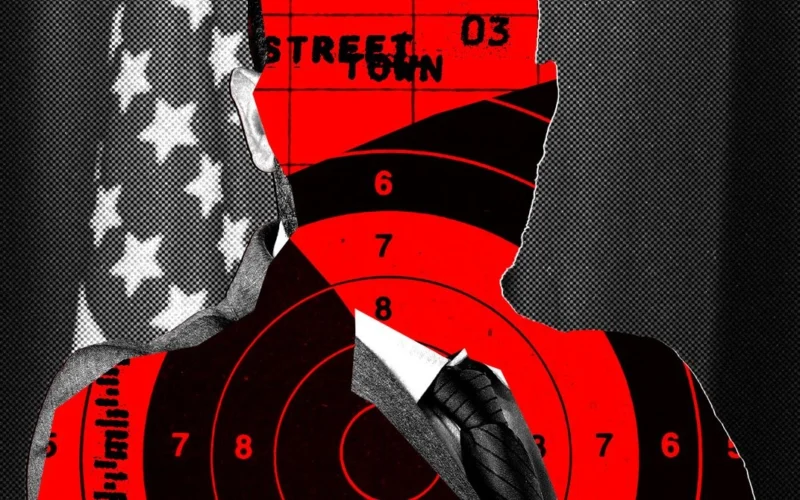
A recent report from the Public Service Alliance highlights alarming gaps in state privacy laws that leave public servants vulnerable to violence. Despite a rise in violent threats against these individuals, existing consumer privacy laws fail to offer them adequate protection, creating a pathway for potential harm.
Researcher Justin Sherman, who authored the report, examined 19 consumer privacy laws and determined that while these laws grant consumers rights over their personal information, they do not empower public servants to require state agencies to hide their private details from public records. This oversight allows data brokers to sell sensitive information, such as home addresses, when it has been obtained from public sources like court filings or property records. The absence of a “private right of action” prevents individuals from suing for violations of these privacy laws, further exposing public employees to danger.
The report underscores that threats against public servants are escalating. An analysis conducted by the Public Service Alliance and the Impact Project noted over 1,600 threats against public officials from 2015 to 2025, with nearly a third aimed at local government workers like school board members. The findings reveal that threatening statements outnumber physical attacks, indicating a worrying trend of escalating aggression.
Sherman’s report calls for legislative measures that directly address these privacy issues while considering the delicate balance between First Amendment rights and the need for security. He emphasizes that while public records serve crucial roles for journalists and accountability advocates, the commercialization of this data by brokers poses grave risks.
The report also points out significant obstacles for those residing in states with consumer privacy laws. Although states like California offer mechanisms to limit data collection for private sources, others require more cumbersome manual processes or costly services for data removal. Reports of data brokers concealing removal instructions further exacerbate the difficulty for individuals, including public servants, seeking to protect their information.
The consequences of these privacy loopholes were tragically illustrated in a case where a suspect charged with attempting to murder a Minnesota lawmaker had compiled a list of officials, complete with their home addresses, using “people search engines.” This incident showcases the urgent need for reforms that safeguard public servants from data misuse.
Legislators need to create frameworks that not only protect public servants but also reflect the realities of modern data sharing, particularly in a landscape where information is rapidly digitized and easily accessed.