



As Minneapolis grapples with the aftermath of the fatal shooting of 37-year-old nurse Alex Pretti by federal agents on January 24, scrutiny has intensified regarding the heavily armed and masked operatives from the Department of Homeland Security (DHS) involved in violent immigration enforcement. Pretti’s death is linked to a broader trend characterized by aggressive tactics employed by specialized units within Immigration and Customs Enforcement (ICE) and Customs and Border Protection (CBP).
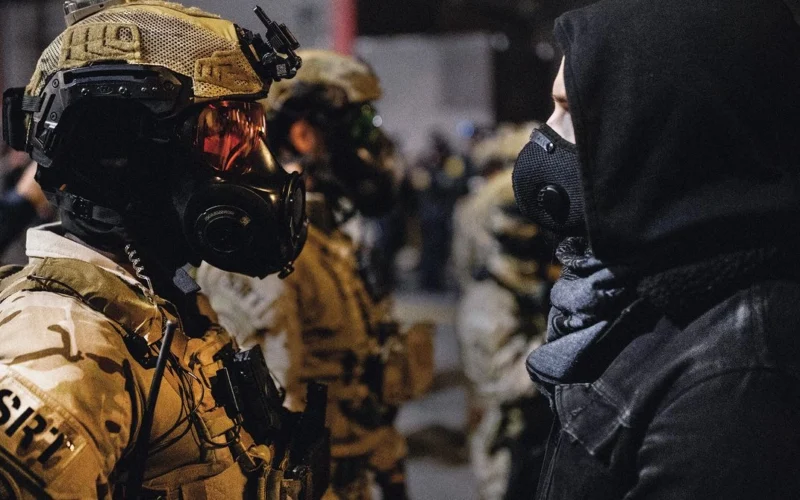
Two highly militarized units—ICE’s Special Response Teams (SRT) and CBP’s Border Patrol Tactical Unit (BORTAC)—are at the forefront of these operations. These teams, which resemble military special forces, have been involved in operations that have led to significant confrontations with communities across the U.S., escalating to instances of lethal force, such as the deaths of Pretti and Renee Good, shot by agents earlier this month.
These tactical units have evolved into militarized forces executing operations that resemble those conducted in war zones rather than policing. They utilize explosive devices for breaching homes, deploy high-powered weapons, and often engage in aggressive crowd-control tactics. This approach has sparked widespread concern over their unaccountability and lack of oversight, as evidenced by a report revealing that none of the agents involved in 16 shootings since July 2025 faced charges.
Operation Metro Surge, which was launched in Minnesota amidst these tensions, now faces uncertainty following the public outcry and the fatalities resulting from its escalated tactics. Tom Homan, the Trump administration’s "border czar," has taken charge with an emphasis on "targeted enforcement." However, for as long as these paramilitary units remain active, their operations are unlikely to resemble community-focused policing.
Historically, units like SRT and BORTAC were designed for high-risk missions, including drug raids and counter-terrorism, not urban policing. Their deployment in civilian spaces has led to accusations of excessive force and civil rights violations, drawing numerous lawsuits stemming from actions during protests. The civilian impact of their operations and the aggressive strategies used have raised alarm among communities and civil rights advocates.
After actions leading to public outrage, including aggressive tactics employed during protests and recent fatalities, the discussion of accountability within these units has become prominent. Despite promises from DHS leadership to equip agents with body cameras for accountability, concerns about the intentional obscuring of the identities of tactical agents persist, complicating any efforts for transparency or holding them accountable for their actions.
BORTAC and SRT teams operating in recent years have been increasingly embroiled in lawsuits accusing them of misconduct, including unlawful arrests and excessive use of force. These accusations highlight a troubling trend of militarized responses to domestic unrest and immigration enforcement, with historical precedents indicating the problematic nature of employing military strategies in civilian contexts.
As community relations deteriorate amid these ongoing operations, the question remains: what checks and balances will be upheld to protect citizens from further abuses by these paramilitary units amidst a deepening immigration crisis?