




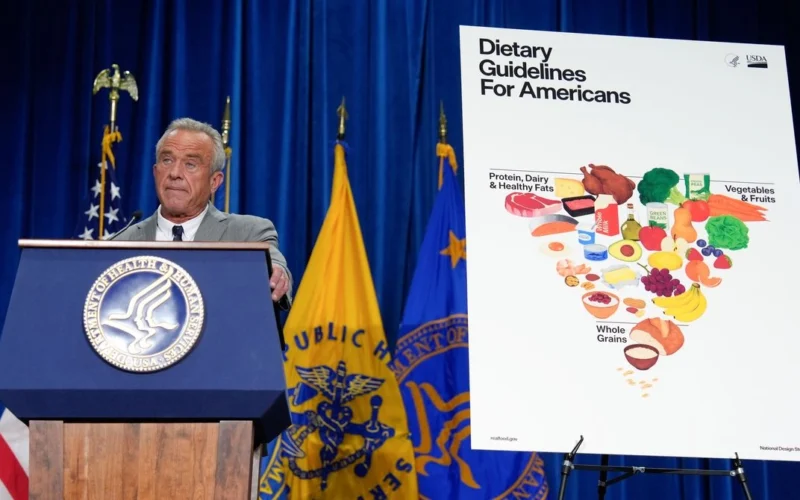
A recent Super Bowl ad featuring boxing legend Mike Tyson supports the nonprofit MAHA Center’s initiative encouraging viewers to avoid processed foods and visit Realfood.gov. The site, promoted by Health and Human Services Secretary Robert F. Kennedy Jr., offers information aligned with the government’s newly released dietary guidelines, which include recommendations for increased protein intake.
The updated dietary guidelines suggest that adults should consume between 1.2 and 1.6 grams of protein per kilogram of body weight daily—more than prior recommendations—and promotes the consumption of animal products like steak. The site echoes Kennedy’s sentiments, stating, “We are ending the war on protein.”
Interestingly, data indicates that most Americans already meet their protein needs, with many consuming about one gram per kilogram of body weight daily, placing them well within the Acceptable Macronutrient Distribution Range (AMDR). Grok, an AI chatbot developed by Elon Musk that is integrated into the site, initially suggested a lower intake of 0.8 grams for sedentary individuals when asked. However, as the inquiry was refined to include details about strength training, Grok’s response aligned more closely with the new guidelines.
Nutrition experts have voiced concerns about the general messaging surrounding protein intake. They emphasize that while increased protein can help maintain satiety and muscle mass, simply consuming more protein is insufficient without incorporating strength training. Excessive protein can also lead to weight gain as the body may convert excess amounts into fat. The new guidelines also recommend a balanced protein intake from both animal and plant sources.
When prompted about the healthiest protein sources, Grok advised prioritizing plant-based proteins, fish, and lean poultry, while cautioning against excessive consumption of red and processed meats—echoing the advice of major health organizations. The chatbot, however, raised questions about Kennedy’s diet, which reportedly consists mainly of meat and fermented foods. While some anecdotal reports hint at potential benefits such as weight loss and improved cognitive function, Grok noted potential adverse effects including scurvy-like symptoms and constipation from such a restrictive diet.
The inconsistency in messaging regarding dietary recommendations and the reliance on AI for nutrition advice could lead to confusion among the public. Experts advise caution in relying heavily on AI tools for personalized dietary guidance, given the inaccuracies they can often present.
For more detailed insights into protein consumption and dietary guidelines, refer to the following links: