



A recent incident involving the temporary closure of airspace over El Paso, Texas, has raised significant concerns regarding the effectiveness and safety of anti-drone defenses in populated areas. This closure, which lasted just eight hours instead of the originally planned ten days, was prompted by fears of potential drone incursions from Mexican drug cartels.
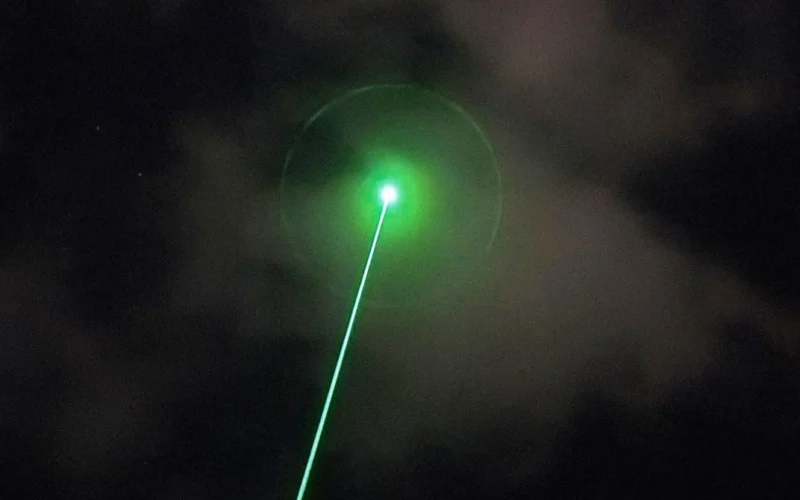
The Federal Aviation Administration (FAA) initially cited the need for this closure due to security concerns. However, investigations revealed that the airspace shutdown was also linked to apprehensions that Customs and Border Protection (CBP) officials were utilizing a laser weapon, provided by the Pentagon, to neutralize drones in the vicinity. Reports indicated that this device was employed to shoot down what was ultimately identified as a harmless party balloon.
Experts are emphasizing the complexities associated with deploying anti-drone measures, especially in urban settings. Using methods such as jamming or shooting down drones presents considerable risks to civilian aircraft. Tarah Wheeler, chief security officer at TPO Group, noted that the FAA acted appropriately by issuing a Temporary Flight Restriction (TFR), although the initial ten-day duration suggested there was uncertainty about the laser’s operational timeline.
Following the incident, Texas and New Mexico lawmakers raised alarms, requesting a classified briefing to understand the events leading up to the airspace closure and to clarify the roles of various agencies involved.
The laser in question, a 20-kilowatt LOCUST anti-drone system manufactured by AeroVironment, represents a growing trend towards integrating defensive technologies against small unmanned aerial vehicles (UAVs). However, safety protocols surrounding its deployment in areas with civilian air traffic remain insufficient. Experts argue that there need to be improved communication and operational protocols to prevent similar incidents where both military and civilian aviation could be endangered.
Recent developments underline the urgent need for the U.S. and global aviation authorities to enhance their drone defense strategies while ensuring the safety of airspace for commercial and private aircraft. As drone technology continues to evolve and proliferate, finding a balance between security measures and civilian safety becomes increasingly crucial.