




On the banks of a river in Borlänge, Sweden, construction is underway for a massive new data center, set to transform the area from its past as a paper mill to a hub for AI infrastructure. Peter Michelson, the CEO of EcoDataCenter, declared, “Borlänge will produce the raw material for AI and the next information age.”
This facility is just one of over 50 data centers being developed across the Nordic region, which includes Norway, Sweden, Finland, Denmark, and Iceland. The demand for data centers to support AI workloads is soaring, making this region the fastest-growing site for such infrastructure in Europe, according to research from CBRE.
Recent notable announcements include OpenAI’s decision to deploy 100,000 GPUs in a small Norwegian town within the Arctic Circle, followed by Microsoft’s plans. In recent weeks, French AI lab Mistral revealed a $1.4 billion leasing deal in Borlänge, and other significant projects are underway across the Nordics to support the escalating demand.
The rapid construction of data centers is fueled by a lack of adequate sites in Europe, particularly those capable of supplying the necessary energy for AI. Kevin Restivo, director of data center research at CBRE, emphasizes the severe scarcity of power, particularly in Western Europe, making the Nordic region particularly appealing due to its ample land and low energy costs.
Previously, data centers clustered near major European cities where low latency was critical for services like algorithmic trading. However, as demand for AI capabilities grows alongside the success of models like ChatGPT, interest in the Nordics has surged, with government agencies reporting increased queries from data center developers eager to secure locations with immediate access to power.
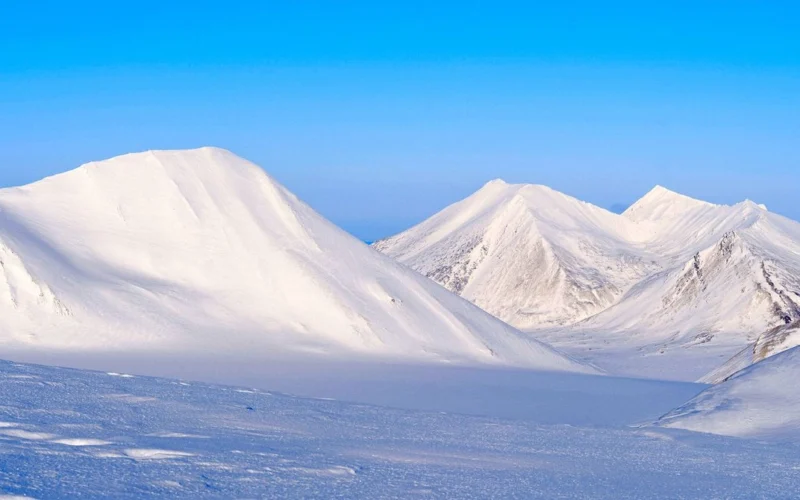
The emergence of neocloud companies, specializing in AI workloads that are less sensitive to latency, allows data centers to be established in remote areas, such as the Arctic Circle. These companies benefit from the significantly cheaper renewable energy sources available in the Nordics, like hydropower and wind energy, alongside a cooler climate that lessens the need for energy-intensive cooling technologies.
As demand for suitable land intensifies, property values in remote areas of the Nordics are increasing, revitalizing local economies. Jouni Salonen from Business Finland highlights that land pricing for forest areas designated for data center development has surged 4 to 9 times higher than standard rates, providing hope for rural investment.
While the plans for these facilities aim to foster a mutually beneficial relationship between data centers and local economies, the realization of such visions hinges on ensuring that these projects come to fruition. Some existing operators are reportedly securing sites for future needs without an immediate intent to develop, which could stifle accessibility for newcomers.
As space in Western Europe dwindles, the Nordic region continues to see almost weekly announcements for new data center developments. With the ongoing energy scarcity elsewhere in Europe being the primary limiting factor, the push towards the Nordics is unlikely to slow down any time soon.


