





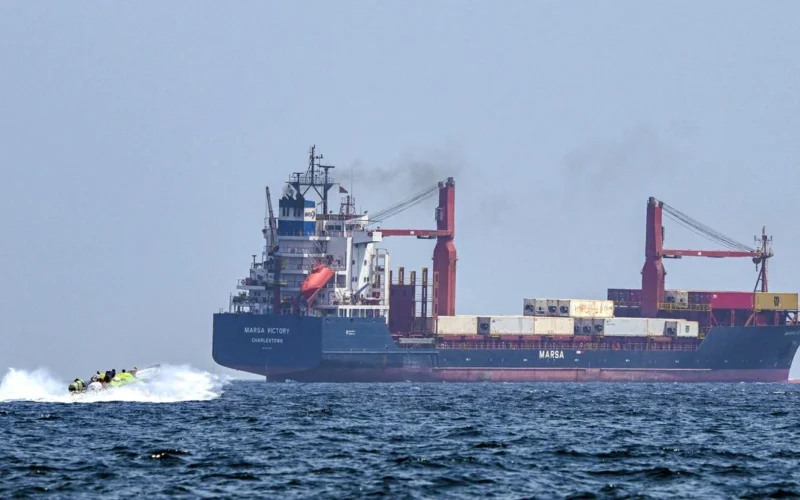
Shipping activity through the Strait of Hormuz has nearly ceased following the US and Israeli military strikes on Iran that began on February 28. A new report indicates that attacks against satellite navigation systems have disrupted the operations of over 1,100 vessels in the Gulf region since the conflict escalated.
Ami Daniel, CEO of maritime intelligence firm Windward, noted that these disruptions have led to bizarre GPS behaviors, such as ships being shown as if they were on land or in incorrect locations, including near a nuclear power plant.
Maritime officials are raising alarms about the “critical” risk posed to vessels in this area as the conflict expands and includes neighboring countries. At least three tankers have sustained damage during these hostilities.
Daniel reports that the frequency of GPS jamming is significantly higher than usual, creating perilous navigation conditions for vessels attempting to enter or exit the Strait of Hormuz. The increased levels of electronic interference began rising in conjunction with the ongoing wars in Ukraine and Gaza, affecting not just maritime shipping but also air travel and other sectors relying on accurate navigation data.
Windward’s analysis highlights a worrying trend of escalating electronic interference across the waters of Iran, the United Arab Emirates, Qatar, and Oman. This sharp increase in GPS and navigation signal jamming poses substantial risks, including misnavigation that could lead to collisions or environmental disasters, such as oil spills. Attacks can vary, with jamming overwhelming legitimate satellite signals, while spoofing can fabricate false signals, misleading the positions of vessels.
As tensions continue, the Joint Maritime Information Center has issued a notice indicating a "critical" situation in the Strait of Hormuz, urging increased vigilance and caution for ships in the region. The immediate risk to marine navigation is rising, and further interruptions to GPS and AIS systems are anticipated as the conflict persists.


