



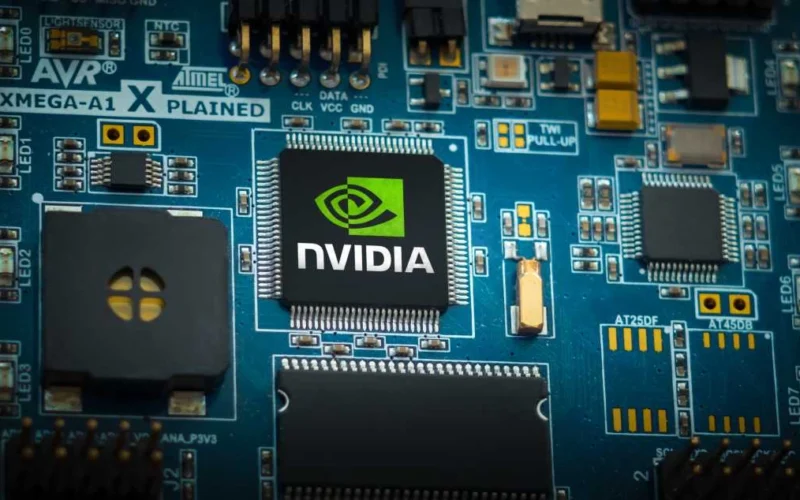
Nvidia has made significant strides in the AI and processor landscape, further solidifying its position as a leader in the market with a series of innovative developments showcased at the recent GTC conference. The company has transitioned from its gaming roots in GPU technology to a more expansive role, focusing on AI applications that span various industries, including healthcare, finance, and automotive.
Key Developments
-
Data Center Overhaul: Nvidia has announced major changes to data center architecture, signaling a shift towards more integrated and efficient systems. CEO Jensen Huang emphasized that modern data centers have evolved from file storage to token generation factories, which reflects the growing demands of AI processing (March 20, 2026).
-
AI in Space: In pursuit of pioneering advancements, Nvidia revealed plans to develop AI and accelerated computing solutions for space, aligning with the interests of other major tech companies in the sector (March 19, 2026).
-
AI Tokens and Economics: During the conference, Huang introduced the concept of ‘tokenomics’, where AI tokens could become crucial for enterprise recruitment, budgeting, and enhancing productivity (March 17, 2026).
-
Vera Rubin Platform: Nvidia unveiled this platform, which integrates compute, networking, and data processing in a unified architecture. This reflects a transition towards a full-stack AI infrastructure aimed at large AI data centers (March 17, 2026).
-
Advancements in AI Models: The introduction of the Nemotron 3 Super AI model sets a new benchmark for enterprise AI agents, focusing on improving automation and task handling complexity (March 12, 2026).
-
Optics Technology Partnerships: Nvidia is working with companies like Lumentum and Coherent to enhance AI data center infrastructure through advanced optics technologies, vital for meeting growing data demands (March 2, 2026).
-
6G Networks Development: The collaboration with global telecom providers aims to establish 6G networks, facilitating software-defined networking advancements in telecommunications (March 2, 2026).
-
SoC Development for Windows PCs: Nvidia is venturing into the PC market with plans to develop a system-on-chip designed for Windows systems, entering into competition with industry giants like Qualcomm and Intel (February 24, 2026).
-
Industrial Security Enhancements: Collaborations with security vendors to bolster industry operations received attention as Nvidia aims to enhance real-time threat detection capabilities across technology environments (February 23, 2026).
-
China Market Ventures: Approvals from China for the sale of Nvidia’s H200 processors to major tech firms such as ByteDance and Alibaba have been reported, representing a significant opportunity in the Chinese market (January 29, 2026).
Future Observations
Nvidia’s ongoing innovations and strategic partnerships signify its adaptive approach to the evolving technology landscape. The company appears committed to not just advancing hardware capabilities but also integrating AI more deeply into enterprise infrastructure across multiple sectors. This trajectory positions Nvidia not only as a supplier of GPUs and processors but as an integral component of the AI-driven future, transforming how enterprises operate in increasingly complex technological environments.
As Nvidia continues to expand its offerings and partnerships, the implications for the tech industry and broader market landscapes will be pivotal, highlighting the essential role of AI in future growth and development.