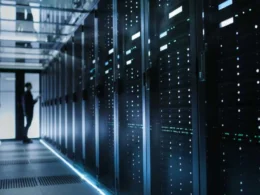





OpenAI is reportedly exploring the idea of building its own data center as Microsoft backs away from its own infrastructure projects. This shift arises as Microsoft has canceled several data center initiatives in both the U.S. and Europe. It seems that the tech giant is also stepping back from further collaborations with OpenAI, having already invested around $13 billion into the company. Their exclusive partnership was altered earlier this year, allowing OpenAI to utilize other cloud computing services alongside Microsoft’s Azure.
Analysts foresee significant market implications stemming from this newfound independence. Alvin Nguyen, a senior analyst at Forrester, emphasized that if Microsoft is pulling back on its AI services, enterprises seeking these capabilities will find themselves seeking alternatives, likely at a higher cost due to decreased negotiation power and limited options.
Reports have surfaced indicating that Microsoft’s withdrawal, attributed to an oversupply in computing clusters, signals a possible restructuring within the market. Analysts from TD Cowan noted that the company has canceled leases equivalent to several hundred megawatts in capacity, which further hints at a diminished demand forecast. Meanwhile, OpenAI is reportedly looking to invest billions in acquiring storage hardware and software to bolster its processing capabilities and decrease reliance on large cloud providers. This aligns with their ambitious Stargate Project, intending to substantially develop their AI infrastructure in the U.S.
Nguyen pointed out that while constructing and managing a data center is quite distinct from software development, OpenAI’s decision to venture into this space could reflect a significant cost-analysis shift for businesses operating in AI. Although the costs related to cloud storage can rise sharply due to increased data volume, the absence of Microsoft’s earlier offerings could leave enterprises with expensive options.
Despite Microsoft’s current pullback, the company still aims to invest around $80 billion in data centers within this fiscal year, with half of that directed at U.S. infrastructure. Nguyen does not dismiss the possibility of Microsoft re-emerging robustly in AI capabilities in the future, albeit potentially independent of OpenAI.
As the market adapts, some experts predict that tech giants like Google, Meta, and AWS will seize the opportunity to fill the void left by Microsoft, possibly leading to higher costs in the long run. Additionally, businesses might consider establishing their own data center facilities to meet their specific operational needs, though the cost of necessary hardware and other requirements could inhibit comprehensive AI development compared to larger hyperscalers.
This transition period could signify a reassessment of AI infrastructure expenditures and operational strategies within the tech sector.