



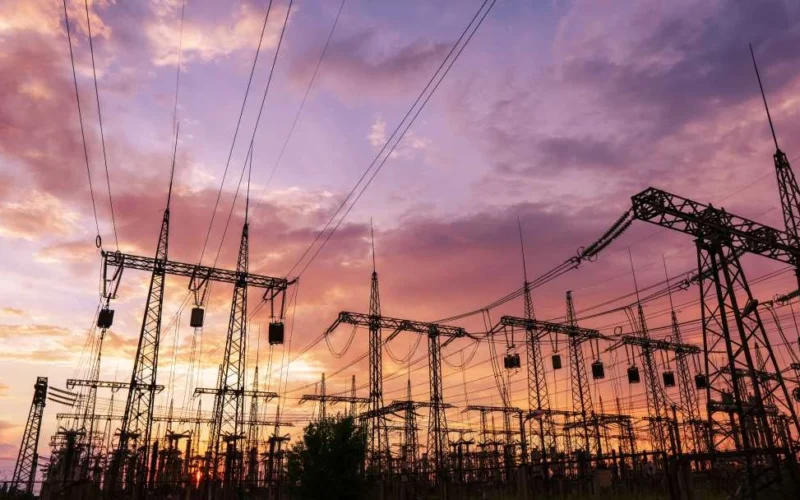
Google has issued a critical warning regarding the significant delays in transmission grid connections, identifying them as the primary challenge facing the expansion of its data centers. Marsden Hanna, Google’s global head of sustainability, highlighted that these delays, which can extend up to 12 years, threaten to constrain the growth of cloud capabilities as the demand for AI workloads surges.
Currently, electric utilities are quoting timelines of four to ten years for new grid connections, with one utility even stating it would take 12 years merely to assess an interconnection request. This situation arises amid projected increases in data center electricity consumption, which is expected to rise from 176 terawatt-hours in 2023 to between 325 and 580 TWh by 2028, creating an urgent need for expansion that the existing grid infrastructure cannot support.
According to a report by the Lawrence Berkeley National Laboratory, nearly 2,300 gigawatts of generation and storage capacity are stuck in interconnection queues, illustrating the broader systemic issues across the grid. These delays have doubled over the years, with construction projects from 2018 to 2024 facing over four years of wait time for interconnections, compared to under two years for those built between 2000 and 2007.
CIOs must now grapple with this new reality of limited cloud capacity as the power grid struggles to keep up with the demands of modern technology. This bottleneck is less about computing power and more about electricity availability.
In response to these challenges, some hyperscalers are opting for co-location setups, positioning data centers next to power plants to bypass the conventional grid system. This shift has resulted in a 20% price increase for co-location agreements in areas with restricted power access due to heightened demand. While Google is exploring these arrangements, Hanna emphasized the company’s preference for grid-connected operations to sustain the integrity of power supply for the wider grid.
However, relying solely on co-location introduces new concerns regarding reliability. Unlike traditional cloud setups backed by multiple power feeds and redundancies, co-located data centers often function as isolated units, increasing vulnerability to power issues.
While immediate solutions like co-location offer respite from delays, comprehensive policy reforms are needed to address the fundamental issues of transmission capacity. Recent federal regulations aim to improve interconnection processes, yet implementation remains a challenge and may not sufficiently tackle the underlying constraints.
Ultimately, choosing a data center provider has evolved into a matter of securing reliable power rights essential for supporting workloads in the coming years, necessitating careful consideration from enterprises in this shifting landscape.
For further reading, refer to these relevant sources: