



For over six days, nearly 90 million Iranians have been under a total internet blackout. This situation follows a similar blackout encountered earlier in January, which was accompanied by a crackdown on anti-government protests that resulted in thousands of casualties. Now, with the ongoing conflict between the U.S. and Israel intensifying against Iran, the current blackout presents new challenges beyond previous restrictions.
Despite the blackout, citizens still have access to a domestic intranet known as the National Information Network (NIN). This allows some degree of daily life and economic activity to continue in a limited capacity. Residents have developed strategies for maintaining some level of internet access during restrictions, employing VPNs and proxy networks. However, during complete shutdowns, these tools become ineffective, leaving only government officials, military, and affluent individuals with external internet access, often via Starlink terminals.
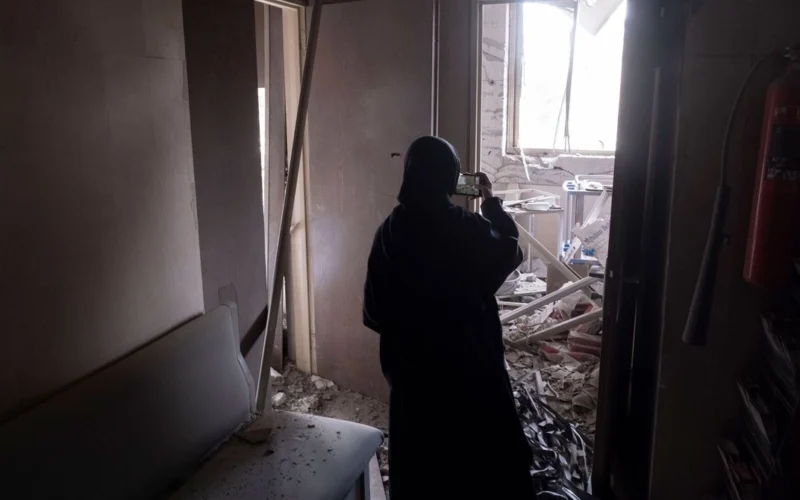
The blackout began shortly after the U.S. and Israeli missile strikes on February 28, 2026, which resulted in the death of Iran’s supreme leader, Ali Khamenei. Reports indicate that internet traffic leaving the country has dropped by 99%, with very little functionality remaining for those with special status to access limited networks. Some remaining connectivity is disrupted further by air attacks that have damaged essential internet infrastructure.
In the years since 2019, Iran has refined its capabilities for internet suppression, which makes these current blackouts more sophisticated. Each shutdown has cut people off from communication with loved ones, access to reliable news, and the ability to document atrocities and potential war crimes enacted by the regime.
The Iranian government has promoted its NIN search engine and warned citizens through text messages that accessing the global internet may lead to legal repercussions. The NIN’s structure fosters an environment of surveillance and control, creating a tiered internet access system where elites can connect while the general populace remains isolated.
Amid these restrictions, some regulated Telegram channels linked to the regime have significantly increased their activity, specifically regarding propaganda related to military actions. Reports suggest that these channels are shaping narrative experiences during the war, sometimes exaggerating reports of retaliation while omitting sensitive news like Khamenei’s death.
For ordinary Iranians, however, the lack of connectivity remains dire. Civil society has adapted by establishing networks to smuggle Starlink satellite systems and disseminate information through underground channels. One tool frequently employed during the January and February outages is Conduit, a peer-to-peer platform developed by Psiphon, which allows users to access the internet by redirecting traffic through global volunteer devices. Caught in a funding crisis earlier this year, Psiphon has since regained some financial support to continue its operations.
Though the ongoing full-scale blackout limits access to these strategies, Conduit has recorded a consistent number of users accessing it under difficult circumstances. With ongoing violent conflicts, the future of internet access in Iran remains unknown, and the balance of control may shift dramatically in the unfolding crisis.