




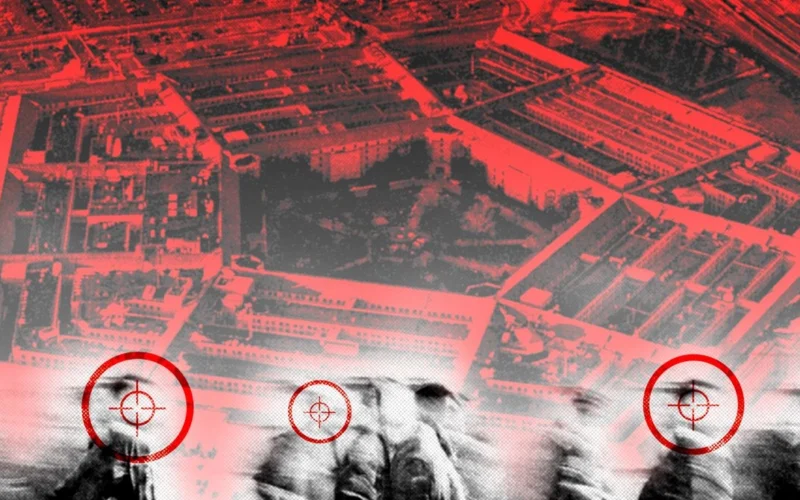
In its initial phase, Project Maven faced skepticism from many within the Pentagon regarding its potential for warfare. However, with time, those doubts transformed into strong belief among military leaders.
The emergence of AI in warfare raises profound ethical and practical considerations, particularly surrounding the question: who decides to take human life, and who bears the responsibility for such decisions? Back in 2018, when Google was linked to Project Maven, it sparked protests from over 3,000 employees concerned that AI could be misused for lethal targeting in drone strikes. This project aimed to analyze vast amounts of video footage from military operations using computer vision.
Years of investigation into Project Maven culminated in the conclusion that the project indeed evolved into a tool for lethal military operations, despite its controversial beginnings. Today, its advanced version, the Maven Smart System, is actively utilized in U.S. operations, including those against Iran. The path from doubt to acceptance among military officials is significantly attributed to Marine Colonel Drew Cukor, the project’s founding leader.
In September 2024, during a private event for defense and tech leaders, Cukor confronted Vice Admiral Frank "Trey" Whitworth, who had shifted from skepticism to endorsement of AI’s role in warfare. Their exchange was intense, with Whitworth questioning whether Maven was adequately addressing crucial steps in targeting processes. Despite challenges regarding its effectiveness and accountability, Whitworth eventually came to appreciate the potential of the Maven Smart System, acknowledging its adaptability and integration with existing military systems.
Cukor’s tenure as Project Maven’s chief spanned five years, during which he faced significant opposition yet managed to promote the program’s objectives. His notable impact extended beyond military conversations, with some tech leaders recognizing him as a pivotal figure in the evolving landscape of AI targeting.
By July 2025, Project Maven had transitioned from a controversial experiment to a pivotal tool for military intelligence, gaining stature as a "program of record" with ample funding. Under Whitworth’s leadership at the National Geospatial-Intelligence Agency (NGA), Maven’s capabilities were showcased openly, demonstrating its rapid operational integration and unprecedented data analysis capacity.
As Maven evolved, it became a cornerstone in U.S. military operations, especially in the Middle East. High-level officials recognized its utility in real-time combat scenarios, and its AI had considerably accelerated target identification processes from dozens to thousands per day. The platform demanded familiarity, with operators needing to navigate vast data outputs effectively.
However, the rise of Maven is accompanied by concerns regarding its potential misuse and ethical ramifications. Critics point out that it has rapidly evolved into a tool that could contribute to violations of international law, particularly given its applications in domestic security for monitoring activities like border control and narcotics enforcement.
The integration of AI within military frameworks, especially through systems like Maven, emphasizes the pressing need for careful oversight, operational guidelines, and responsible training protocols. As AI technology becomes further entrenched in military strategy, understanding its operational context and ethical implications remains paramount for policymakers and military leaders alike.