




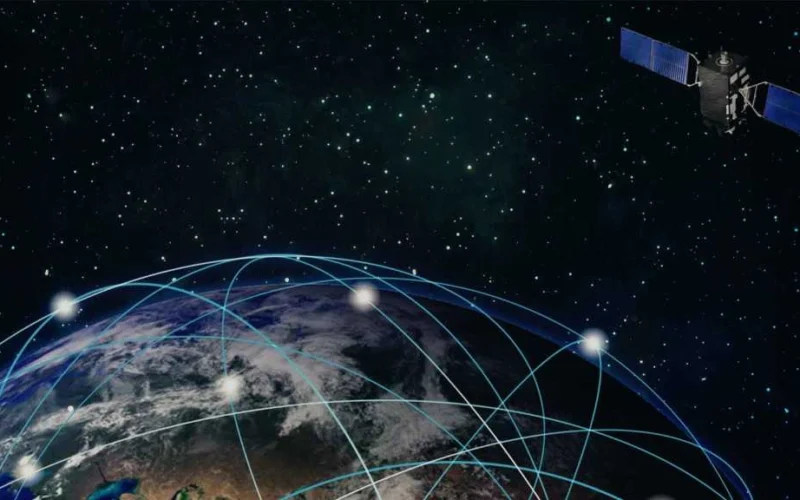
Globalstar, a mobile satellite services operator, has announced a significant merger with Amazon that aims to enhance its capabilities and service offerings. This $11.6 billion acquisition, pending regulatory approval, is set to integrate direct-to-device (D2D) services into Amazon’s low Earth orbit (LEO) satellite network, Leo, originally known as Project Kuiper.
One of the key aspects of the deal is that Amazon will gain ownership of Globalstar’s satellite operations, essential infrastructure, and globally authorized MSS spectrum licenses. This merger is part of a broader trend in the telecommunications industry, reflecting a competitive push to merge satellite communications with consumer technologies like smartphones.
Analysts have highlighted the strategic importance of this acquisition. Roger Entner from Recon Analytics pointed out that Globalstar’s relationship with Apple, which holds a 20% stake in the company, is crucial. He believes that the merger will solidify Amazon’s partnership with Apple and pave the way for enhanced services once the Leo network becomes operational.
Scott Bickley from Info-Tech Research Group noted that Amazon primarily seeks Globalstar for its licensed spectrum, which is hard to come by in the telecom sector. The L-band and S-band licenses Globalstar possesses are particularly advantageous since they enable standard smartphones to connect to satellites without needing special hardware. This acquisition could significantly accelerate Amazon’s timelines in deploying its satellite services.
Anshel Sag from Moor Insights & Strategy has been following this merger closely. He observes that this strategic partnership adds important infrastructure for Amazon, which can now leverage its collaboration with Apple—considered one of the industry’s most significant customers.
The deal not only benefits Amazon but also offers Apple a healthy return on its substantial investment in Globalstar. It gives Apple broader operational capabilities and ensures that its devices—the iPhone and Apple Watch—will seamlessly connect with both Amazon’s Leo network and SpaceX’s Starlink service.
While the merger holds great potential, it also raises questions about competition in the satellite communication space. Despite the synergies, Bickley warns that Amazon still faces challenges integrating Globalstar’s operations and relying on third-party launch providers, all while Starlink continues to expand its satellite constellation.
Overall, this merger is poised to reshape the landscape of satellite communications, creating new opportunities for both companies while reinforcing their competitive stands against each other in a rapidly evolving market.