




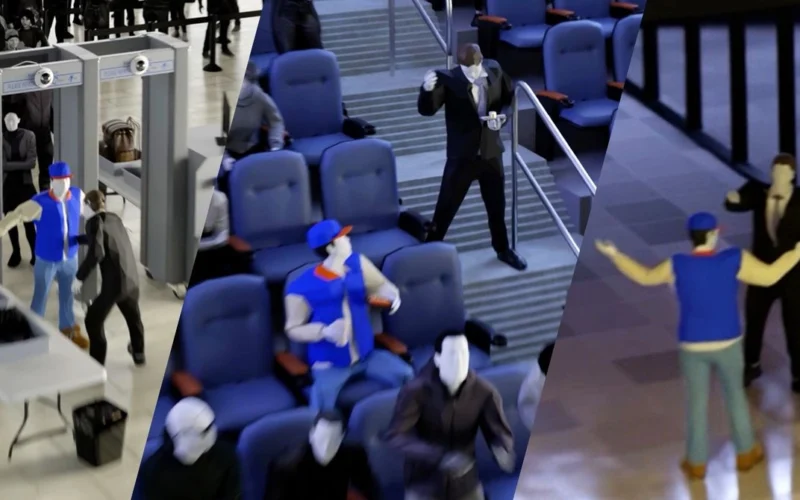
Nina Richards, a trans woman, frequently attended New York Knicks games at Madison Square Garden, unaware she was under constant surveillance by the venue’s security team. Their comprehensive monitoring, initiated by owner James Dolan, was designed to track not only regular attendees but also critics of his management. Security tactics employed included the use of facial recognition technology to keep watch on fans who had previously expressed discontent, effectively turning the Garden into a modern panopticon.
Dolan’s security measures have drawn criticism for their invasive nature, including keeping extensive watch lists of individuals deemed problematic, reaching beyond just fans to include lawyers and even children. For instance, a graphic designer was barred from attending a concert because he had previously sold “Ban Dolan” merchandise. Dolan’s vendetta against critics extends throughout his various properties, including the Radio City Music Hall and the Sphere in Las Vegas. Reports reveal that Dolan’s security personnel were not just observing but actively surveilling those who might disrupt the owner or the reputation of the venue.
A recent lawsuit from a former security staff member revealed the extent of the invasive surveillance practices under Dolan’s management. Over two years, Nina Richards was systematically tracked by Dolan’s head of security, John Eversole, who allegedly began compiling intelligence on her based solely on her gender identity. Reports outlined how her movements throughout the venue were meticulously documented, raising concerns of racial profiling and harassment.
As the Knicks celebrated success on the court and their games became celebrity hotspots, Dolan’s interactions with the public didn’t soften; instead, they became increasingly combative and paranoid. Past incidents highlighted Dolan’s thin skin when it came to criticism. Numerous fans and even prominent figures like Spike Lee faced repercussions for voicing dissatisfaction.
Within the organization, a ripple of paranoia pervaded, where even past players advised caution to one another about being watched. While some described Dolan as having moments of kindness, such as his support for struggling players, others recounted the tense atmosphere, with many fearing retribution for perceived infractions—a reflection of Dolan’s historically combative relationship with the media and fans.
As facial recognition technology became more embedded in the Garden’s security framework under Eversole’s direction, it coincided with deeper issues, including a culture where complaints about dangerous or unethical practices were dismissed. Many within MSG’s security team felt pressure to conform to Eversole’s aggressive tactics and an unsettling demand to surveil individuals far beyond the intended security measures.
The situation escalated to a point where Dolan’s security alleged wrongful acts—including potentially illegal activities—against both peaceful protestors and critics. The culture of surveillance not only affected guests but also created a toxic environment for employees, leading to fears about retaliation and a chilling effect on dissent.
The exposure of these practices touches upon broader issues of surveillance in society, where the reach of authority has expanded into public venues under the guise of security, invoking fears of a corporate power dynamic that mirrors state authority. As technology continues to evolve, venues like Madison Square Garden illustrate the possible pitfalls of allowing such invasive measures to proliferate unchecked, transforming public enjoyment into a battleground of fear and invasion of privacy.
Learn more about facial recognition technology used in Madison Square Garden and the implications of invasive corporate surveillance.