




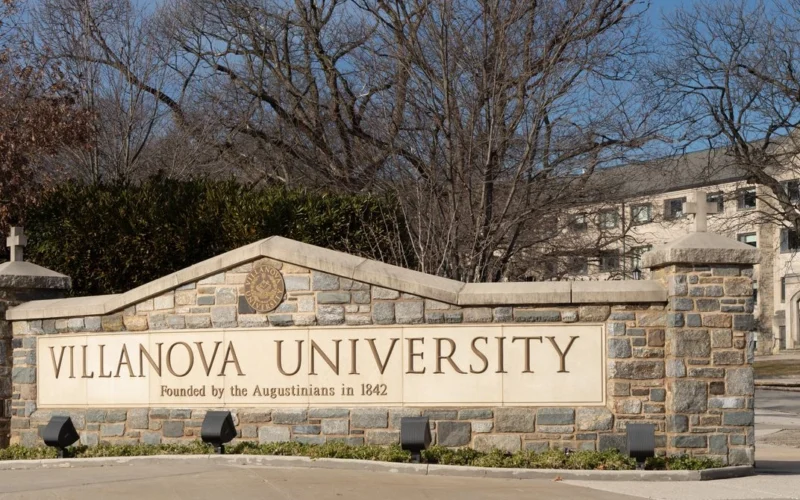
A self-identified leader of an online group called Purgatory has claimed responsibility for a series of alarming hoax active-shooter threats made against various U.S. universities. The group, associated with a network known as The Com, reportedly charged as little as $20 for these "swatting" services, offering different levels of threat for varying prices. Recently, the cost for initiating such threats has drastically increased, reflecting a growing notoriety and demand.
The swatting incidents commenced on August 21, coinciding with university reopenings across the country. Within a short span, approximately a dozen universities received these fake emergency calls, causing widespread panic and multiple lockdowns. Gores, the group’s co-leader, claimed that since the initiation of the spree, they have earned around $100,000, though this figure has not been independently verified.
Research conducted by experts confirmed the group’s activities, with recordings of the swatting calls available for review. In one instance, a researcher managed to warn one of the targeted universities before any harm could occur. The impact of these threats not only stressed emergency services but also diverted resources meant for genuine emergencies.
Both the FBI and individual university security teams have begun investigating these hoaxes, given the dangerous implications of such false threats. The FBI released a statement emphasizing the significant risks posed by such actions, which put innocent lives in jeopardy and exhaust vital law enforcement resources.
The escalation in hoax threats is troubling, especially with the group making public claims of their activities and even live-streaming some of their calls. On the day the wave of incidents began, Purgatory members were streaming their attempts on platforms like Discord, broadcasting the chaos they instigated.
Notably, this pattern of behavior has been previously linked to a nihilistic subgroup known as 764, which has faced accusations of severe crimes, reinforcing the idea that these threats are not only malicious pranks but part of a broader culture of online extremism.
As Gores continues to indicate a willingness to persist with these activities, the situation remains fluid. Authorities are increasingly focused on mitigating the dangers posed by groups like Purgatory, recognizing the urgency of addressing these threats before they escalate further.