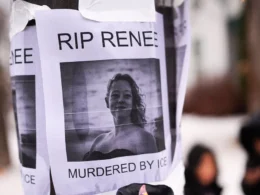




A right-wing think tank, the Manhattan Institute, is attempting to redefine minor protest-related offenses as acts of "civil terrorism." Known for its influence on policing policies during the 1990s in New York City and its role in undermining diversity, equity, and inclusion initiatives during the Trump administration, the organization is advocating for legislation that would classify actions like vandalism and blocking roadways during protests as felonies, potentially leading to 18-month prison sentences.
Co-founded by former CIA director William Casey, the Manhattan Institute is currently mobilizing to introduce state legislation that would elevate the status of these minor crimes. The initiative is led in part by Tal Fortgang, a research fellow at the think tank, who argues that nonviolent civil disobedience functions as a tool of intimidation and coercion. He posits that such actions could be more accurately described as a form of terrorism, albeit without the violent tactics typically associated with that term.
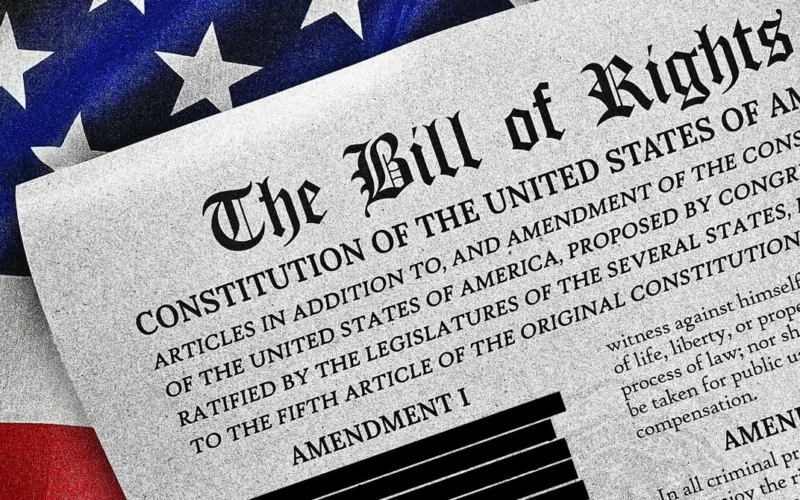
Recent legislative efforts reflect this push. In Utah, lawmakers have already passed a bill with heightened penalties for protest-related offenses, and similar legislation is currently being considered in Arizona, where Democrats are aiming to block it. The proposed laws also include provisions that could infringe on First Amendment rights by criminalizing the act of protesting while wearing masks and regulating how individuals can assemble.
Critics, including representatives from the American Civil Liberties Union, view these initiatives as direct attacks on the rights to free speech and assembly, indicating a trend of targeting leftist movements under oppressive new legal classifications. The fear is that such laws will not only silence dissent but may also be misused against any individuals or groups whose views do not align with the current power structures.
As these laws are debated, concerns are mounting about the implications for civil liberties and the precedent it sets for penalizing protest activities, especially those advocating for important social issues.