




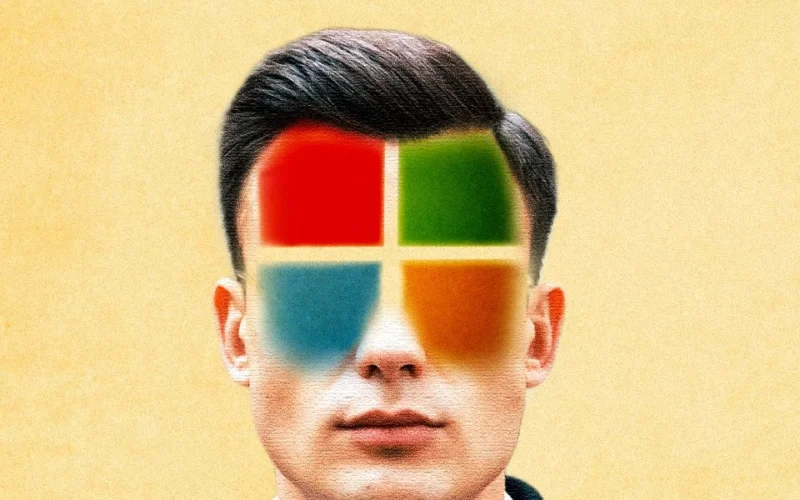
Soon, your colleagues in Microsoft Teams may not all be human. Introducing Scout, an AI agent unveiled at Microsoft’s Build developer conference. Scout mimics a human coworker, handling tedious office tasks such as managing messages, scheduling, and drafting responses.
Built atop OpenClaw, an AI tool that created a buzz among tech enthusiasts in early 2026, Scout aims to streamline tasks for office workers. Instead of relying solely on human effort, teams can engage with Scout directly via Teams commands. As Omar Shahine, Microsoft’s corporate vice president for Scout, puts it, “Your company essentially hires your assistant.” Scout works around the clock, coordinating calendars and generating content while users take breaks.
Currently, Microsoft is rolling out Scout to a select group of customers, with plans for broader access in the near future. Alongside its Teams integration, a desktop app for Scout is also being introduced, available to users with a GitHub Copilot subscription who are part of a "frontier" access program.
Scout can proactively manage workloads when informed of users’ preferences. For instance, Shahine programmed Scout to safeguard his family dinner time; the agent alerts him about scheduling conflicts and suggests rescheduling alternatives.
Accessing your emails and messages enables Scout to tailor its functions to your needs. Shahine’s Scout, humorously dubbed Sebastian, keeps a dynamic record of commitments and reminders, although some errors—like poorly formatted emails—have surfaced during early use. This highlights the delicate balance required for automation of tasks versus direct human engagement.
Shahine is optimistic about Scout benefitting knowledge workers, particularly those less tech-savvy. Teams not proficient in using technology stand to gain significantly from such automation. However, as with any automation, risks emerge, such as potential vulnerabilities to prompt injection attacks, where malicious actors confuse bots into undesirable actions. Microsoft is addressing these risks through limited rollouts and monitoring tools for administrators.
With Google also releasing their AI counterpart, Gemini Spark, aimed at office productivity, it’s clear that the future of workplace interactions is rapidly changing. These innovations are reshaping the conventional 9-to-5 office structure and enabling all employees to automate daily logistics and internal communications. Scout, unlike a regular employee, is designed to never log off, ensuring relentless engagement on ongoing projects and communications.