



I’ve been following developments in spam calling for years, so I was intrigued when Google revealed a new feature aimed at detecting and flagging spoofed calls for Android users. The demo quickly took a surprising turn as I heard my own voice projecting through the system.
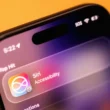
In the demo, my voice cheerfully asked for help: "I’m stuck without my wallet. Could you Venmo me for an Uber?" My headshot appeared on the screen alongside a caller ID that read “Lily.” Despite the familiarity, there was an ominous overlay indicating, “This may not be Lily. Someone may be pretending to call from your contact’s number.”
This feature, designed for Android devices, conducts a digital authenticity check for incoming calls from other Android phones. If it detects discrepancies, it immediately pops up a warning and removes the contact’s image from the screen, replacing the name in the call log with "Unknown."
The prevalence of spam calls has surged over the years, especially with the emergence of AI voice-cloning technologies. These advancements allow attackers to convincingly impersonate trusted contacts, which can lead to impersonation scams. While efforts to tackle traditional robocalling have been underway, they haven’t fully resolved the issue as many scams continue to evade detection.
To combat the growing threat of impersonation fraud, Google’s Android security team proactively developed this feature, emphasizing a more reliable method for identifying legitimate callers. Dave Kleidermacher, vice president of security and privacy at Android, noted that relying solely on AI to detect voice clones can lead to both false alerts and missed real threats, contributing to a dangerous cycle between scammers and defenders.
The new feature is embedded in Google Dialer, leveraging the RCS communication standard. It functions by sending a silent "confirmation signal" to verify that the call is originating from the claimed device. Only when both parties are using compatible devices and have each other in their contacts does this validation take place. If the signal is absent, the call is flagged as potentially fraudulent.
For wider impact, this functionality will need to be adopted across various platforms, including iPhones. Google aims for maximum interoperability by building the feature on RCS. However, there has been no confirmation from Apple regarding whether a similar system will be implemented in iOS.
Kleidermacher expressed hope that this feature will significantly diminish the frequency and impact of such scams, which can lead to devastating consequences for victims. “Some of these attacks individually are just very devastating,” he stated, underscoring the potential risks involved.