




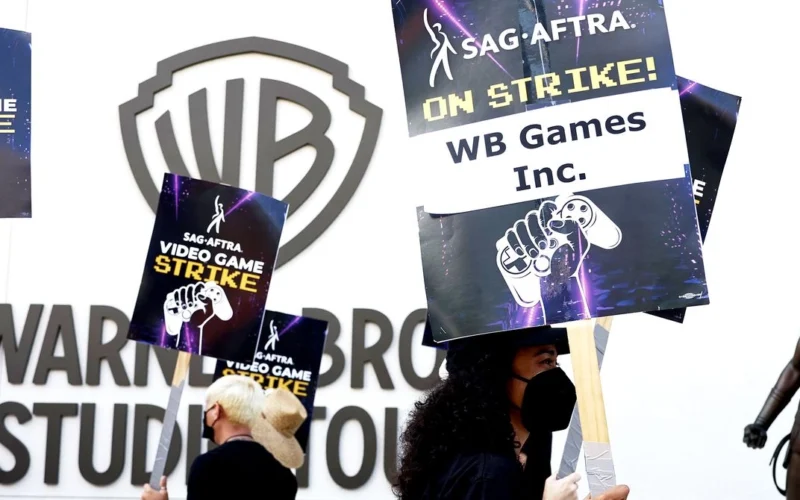
On Wednesday, the Screen Actors Guild–American Federation of Television and Radio Artists (SAG-AFTRA) voted to ratify a new contract for video game performers, effectively ending a lengthy 11-month strike. An overwhelming 95% of members supported the contract, which promises annual raises, increased pay, and protections against the use of artificial intelligence (AI) by game studios.
The strike revolved significantly around securing safeguards against AI, which had been a contentious issue throughout the negotiations. While other contract matters were settled earlier, AI concerns delayed the resolution. As noted by Duncan Crabtree-Ireland, SAG-AFTRA’s chief negotiator, the strike was temporarily paused in June as discussions moved toward contract ratification.
Voice actor Sarah Elmaleh, a committee chair for SAG-AFTRA, highlighted that the threat of AI has been looming for years, a reality that became more pronounced with the proliferation of advanced technological tools. According to Elmaleh, voice acting is integral to video game development; it enriches character performances and overall player experience. The industry has already begun to see impacts from AI, necessitating protective measures for performers.
The new contract mandates consent and disclosure agreements for any use of an actor’s voice or likeness when creating AI-generated digital replicas. Furthermore, actors will retain the right to withdraw their approval for future AI-generated content if they strike.
AI has already entered the realm of high-profile characters, as seen when Fortnite introduced a generative AI version of Darth Vader that caused backlash due to inappropriate language. SAG-AFTRA subsequently filed a charge against the game’s producer for failing to notify the union or negotiate terms regarding this AI use.
Despite previous attempts to leverage AI, actors like James Earl Jones, who sanctioned the digital reproduction of his voice before passing away, emphasize the need for stringent guidelines. Crabtree-Ireland stressed the importance of consistent protections for both living and deceased artists’ rights.
As game companies push forward in AI technology, Crabtree-Ireland expressed the necessity of defining boundaries in this rapidly evolving field. Prominent companies involved in these negotiations include Activision, Electronic Arts, and Warner Bros. Games, among others.
A spokesperson for the video game producers expressed satisfaction with the resolution, emphasizing the value of their longstanding partnership with SAG-AFTRA to continue delivering innovative entertainment experiences.
Elmaleh articulated that the contributions of voice actors and motion capture performers are invaluable in creating immersive gaming environments. She considers this collective effort crucial for the industry, suggesting that neglecting such vital roles would be detrimental.
The implications of this struggle in the video gaming sector may resonate across various entertainment industries. Crabtree-Ireland noted that what happens in gaming could influence negotiations in other creative fields, highlighting the expansive impact of this contract on future labor discussions.
As the industry navigates the challenges posed by AI technology, there remains a shared commitment to ensuring respect and protection for performers in the evolving landscape of digital entertainment.