




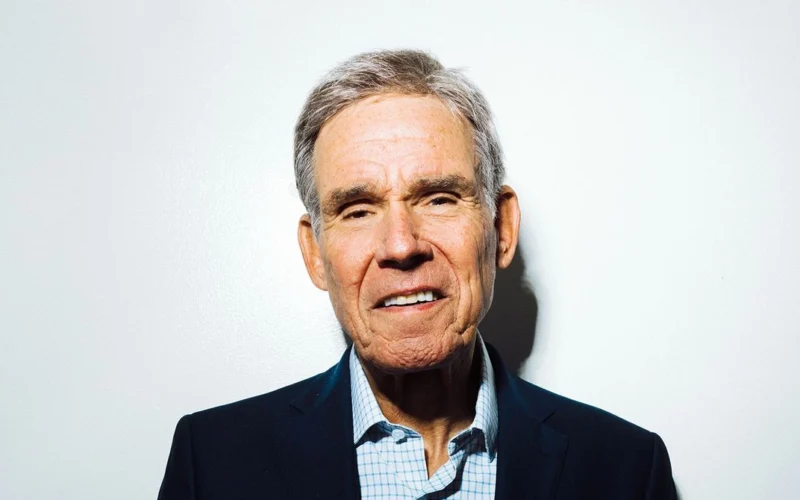
For many years, people have been conditioned to adhere to a strict schedule of health screenings and doctor visits once they hit middle age. Yet, Dr. Eric Topol suggests the traditional timeline for medical evaluations might need reconsideration. As a prominent cardiologist and author of Super Agers, Topol advocates for a transformative approach to aging, intertwining insights from artificial intelligence (AI) and the evolving field of medicine.
In a recent appearance at WIRED’s Big Interview event, Topol shared his thoughts with features editor Sandra Upson. He emphasized the distinction between lifespan—the length of time one lives—and health span—the time spent in good health. Surprisingly, he noted that genetics play a minimal role in both, pointing instead to the immune system’s health as a significant factor in aging well. His research highlights the importance of lifestyle, including a diet low in processed foods, quality sleep, and physical activity, to enhance health as one ages.
Topol further warned against the modern environmental threats we face, such as air pollution and harmful chemicals, which can lead to inflammation and health issues. He believes that despite the hype around health initiatives, such as the "Make America Healthy Again" agenda, crucial environmental factors remain unaddressed.
Currently, the health span in Americans averages just 63 to 65 years, whereas lifespan extends to about 80 years. This gap means many spend the last part of their lives in poor health. Topol argues that with advancements in AI and medical science, there’s potential to align health span much closer to lifespan.
With the advent of new technologies like organ clocks—devices that measure aging in various organs—and biomarkers capable of predicting diseases like Alzheimer’s years in advance, Topol sees a unique moment in medicine. He advocates for the promising effects of GLP-1 medications, which not only treat diabetes but could also help reduce inflammation, thus potentially attending to other health risks, including Alzheimer’s.
AI stands to revolutionize health diagnostics as well. According to Topol, large language models can analyze extensive medical data and detect patterns that might elude human doctors. For instance, a simple retinal scan could indicate risks for serious conditions much earlier than conventional methods. This capability could dramatically change healthcare accessibility and affordability.
In conclusion, while many focus on elaborate techniques to slow aging, Topol argues that embracing the basics of a healthy lifestyle is the most cost-effective method to extend life quality. His message is straightforward: those interested in enhancing their health span should prioritize lifestyle changes over complex strategies.