
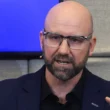



United States Congressman Jim Himes, the ranking Democrat on the House Intelligence Committee, is advocating for the preservation of the FBI’s authority to conduct warrantless searches of Americans’ communications, which has raised significant concerns. Himes argues that there has been no evidence of misuse of this authority by the Trump administration, as revealed through internal messaging obtained by WIRED. He requests that his fellow Democrats support renewing a controversial surveillance program that intercepts electronic data of foreigners, highlighting the vast quantities of private messages from American citizens this program collects.
Himes cites the "56 reforms" passed by Congress in 2024 as evidence of positive changes, claiming a compliance rate exceeding 99 percent in preventing domestic misuse. However, this assertion is undermined by the dismantling of oversight mechanisms that previously ensured accountability within the FBI. Notably, the Office of Internal Auditing, which was critical in monitoring compliance, was disbanded under FBI Director Kash Patel in 2025. Critics have indicated that the lack of independent audits means that oversight now relies on self-reporting by the Department of Justice, which has faced numerous rebukes from federal courts for inaccuracies.
In his outreach, Himes reassured colleagues of the extensive oversight of the program by all three branches of government. However, this claim is challenged by experts who note that the Foreign Intelligence Surveillance Court lacks an independent investigative capacity. Oversight relies on the DOJ to accurately report violations, yet the current administration has undermined internal checks within the FBI itself.
While there is no congressional push to eliminate the 702 program entirely—due to its intelligence value—there are calls for reforms, such as requiring warrants for searches of American data. Current legislative proposals allow for urgent searches based on imminent threats, ensuring that necessary intelligence can still be accessed rapidly.
Concerns about FBI surveillance practices have grown, particularly with reports of improper surveillance of Americans, including journalists and protestors. The absence of robust safeguards has fueled fears that the administration may misuse surveillance capabilities for political gain.
Himes has expressed his intent to explore reforms, recognizing the concerns but insisting on the necessity of renewing the Section 702 program to allow for extensive debate on its future. He acknowledges the lack of faith in the current administration but defends the current framework due to the absence of evidence indicating abuse of power.
Critics within Congress, particularly in the Congressional Progressive Caucus, have voiced strong opposition to renewing the program without significant reforms. This situation underscores the complex balance between national security and civil liberties amid ongoing scrutiny of government surveillance practices.