




At 7:30 AM on Halloween, Ava and Sam were on their way to school with their two kids when a frantic neighbor warned them that ICE vans were nearby. The fear gripped Ava, activated by reports from colleagues and social media of ICE operations targeting immigrants. Unable to shake the paranoia, they accepted a ride from their neighbor instead of facing the streets alone. That day marked the beginning of a solitary and terrifying chapter for their family, as both parents feared what would happen if they were detained.
The wave of ICE raids in Chicago intensified over the months, turning neighborhoods like Ava and Sam’s into places of dread. Following a display of force by former ICE commander Greg Bovino, the agency’s tactics included night-time raids and aggressive arrests of undocumented immigrants. This abrupt escalation manifested in ruthless break-ins, public arrests, and a lingering sense of danger in everyday activities, leaving families like Ava’s in a constant state of fear and isolation.
Ava, an undocumented immigrant who crossed into the U.S. shortly before Donald Trump’s presidency, endured a harrowing journey to reunite with her husband, Sam, who arrived in 2022. After spending two years apart, they finally reunited in Chicago, dreamily navigating the early challenges of their new life together. However, joy soon turned into anxiety as ICE raids started targeting their community.
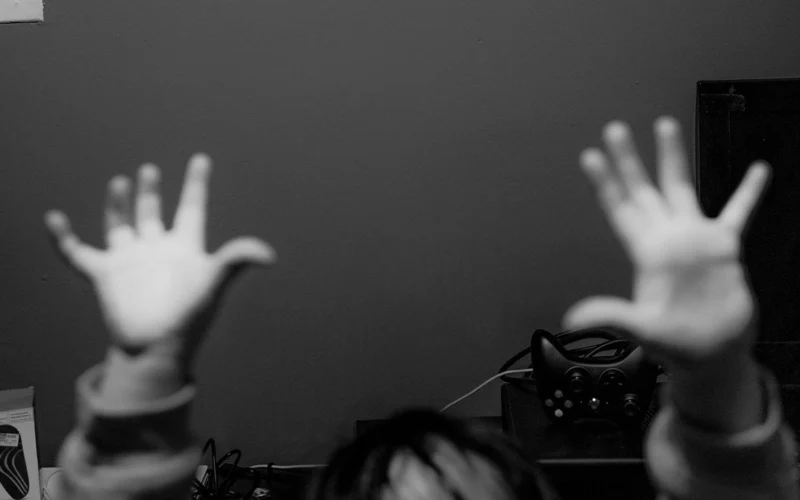
Their family, previously filled with hope, became a prisoner within their own home. The vibrant Spanish-speaking neighborhood around them became eerily quiet. Conversations gradually ceased, and the assurance of community support that once comforted them became a distant memory. They could hardly bear leaving the safety of their apartment. Sam even resorted to biking to work in harsh winter conditions, minimizing his visibility outside.
As the relentless ICE presence continued, Ava and Sam struggled to maintain stability for their children, grappling with the emotional toll of constant fear. The looming specter of detainment disrupted their lives, leading to sleepless nights filled with nightmares, especially for their son, who once had innocent dreams about his father’s return. Ava’s stress manifested physically, leading to alarming health concerns that threatened her well-being.
Determined to support their family, Ava began searching for work again, despite knowing the risks. She delivered handwritten resumes to local businesses, emphasizing her limitations in English but underscoring her willingness to learn. Each venture outside eroded their sense of safety further, reinforcing the trauma of being constantly on guard.
Despite the oppressive atmosphere, resistance began to emerge in their community. Local businesses and residents became vigilant and protective, rallying against ICE with visible signs of dissent and protest. For Ava and Sam, remaining informed through social media provided glimpses into the resilience blooming amidst fear.
As the winter turned to spring, the family’s daily routines became simultaneously mundane and fraught with tension. They attempted to find joy in small moments and nurture the bond that brought them together. However, the specter of ICE still loomed large, reminding them that their fight for stability was far from over. They clung to moments of normalcy amid an ever-watchful outside world, focusing on family routines and their children’s school life while remaining prepared for whatever might come next—whether within the walls of their apartment or beyond.