



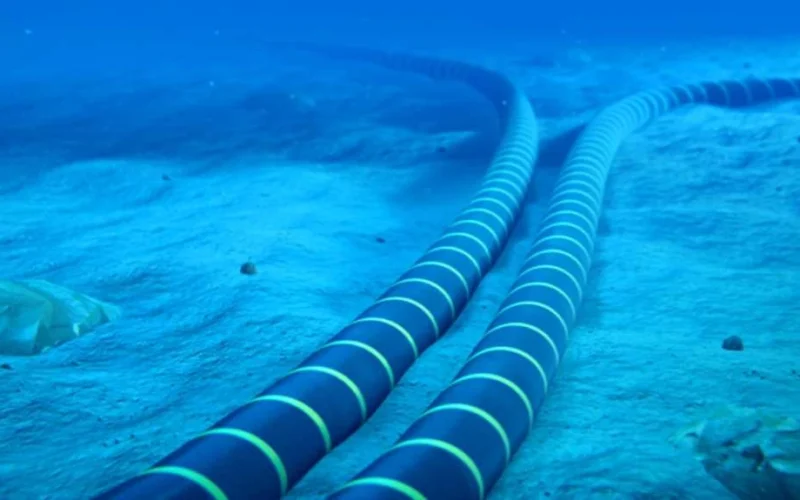
Undersea cable damage in the Red Sea has significantly disrupted internet access across parts of Asia and the Middle East. This incident triggered latency issues for Microsoft Azure services, particularly those routed through the affected region. Microsoft acknowledged the interruptions, indicating that while network traffic itself was not entirely halted, the rerouting through alternative paths was causing delays.
The latency began on September 6, 2025, at around 05:45 UTC, and later updates to the Azure status page pointed out that customers could expect higher latency for any traffic routed through the Middle East. However, traffic not passing through this region reportedly remained unaffected. Akamai’s Linode also experienced increased network congestion due to faults in the undersea cables essential for optimal routes out of their data centers.
NetBlocks, an internet monitoring organization, reported widespread connectivity issues throughout multiple countries owing to the cable failures in the Red Sea. The Red Sea is of critical importance for global data traffic, with approximately 95-97% of international communications relying on undersea fiber-optic cables. An estimated 17% of global internet traffic traverses these cables, with around 80% of traffic from Asia to Western countries dependent on this route.
The disruption is not merely a technical problem; it translates directly into slower applications, elevates operational costs, and introduces potential business risks. Experts warn that the latency caused by rerouted traffic affects various services, including real-time APIs and ERP systems, ultimately leading to reduced productivity and higher costs for enterprises.
The recent issue underscores the fragility of global data connectivity, with a single cable break capable of impacting services worldwide. Companies that depend heavily on cloud services need to rethink their resilience strategies. Diversifying routing options, employing satellite or terrestrial backups, and meticulously planning for connectivity contingencies should be prioritized.
Historically, the Red Sea has been a strategic chokepoint, posing risks through regional instability and vulnerabilities to interference from geopolitical conflicts. This incident should serve as a wake-up call for Chief Information Officers (CIOs) to critically evaluate the robustness of their supply chains and digital infrastructure.
Experts emphasized the importance for firms to review their Service Level Agreements (SLAs), develop cloud contingency plans, and enhance collaboration with service providers to ensure a resilient and adaptable infrastructure in the face of unforeseen disruptions.